xx
Author: Chris
-
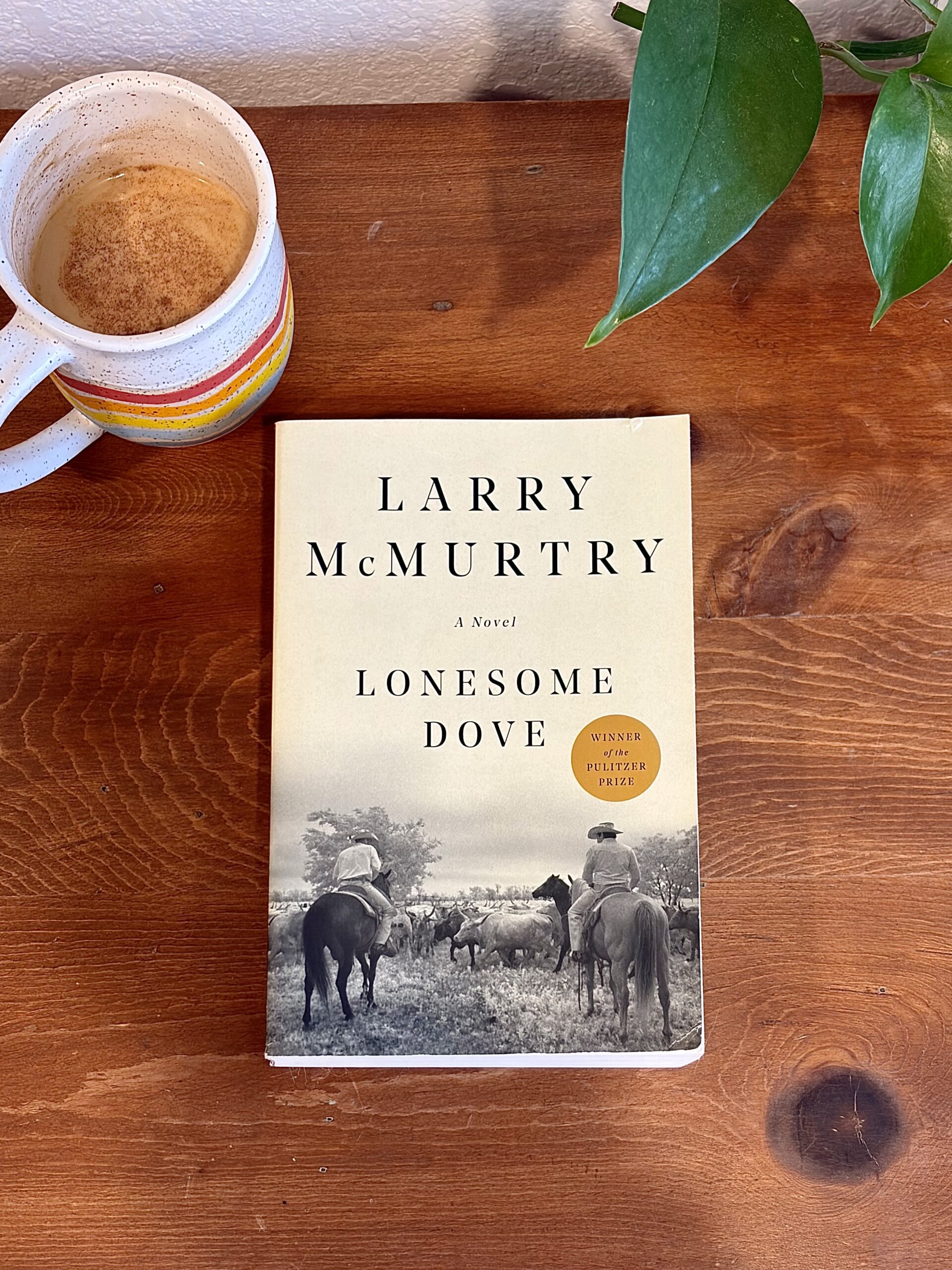
Lonesome Dove by Larry McMurtry
Lonesome Dove is one of the most memorable books I’ve ever read, especially since I’ve traveled through Texas and lived in the American West for a few years. It’s definitely a slow burn, but absolutely worth it.
In the late 1870s, Captains Woodrow Call and Augustus “Gus” McCrae, two well-known retired Texas Rangers, run the Hat Creek Cattle Company and Livery in the small border town of Lonesome Dove, Texas. When a former Ranger describes the open lands of Montana, Call becomes determined to gather a herd and drive it north, aiming to establish the first cattle ranch beyond the Yellowstone River. Gus is initially hesitant, but changes his mind when reminded that his former love, Clara, lives along the Platte River near Ogallala, Nebraska — directly along the route. The Hat Creek crew rounds up thousands of cattle from across the Mexican border and hires local cowhands to prepare for the long journey. The rest of the novel follows their treacherous drive north, where the crew faces bandits, storms, deaths, and moral dilemmas galore on the frontier.
McMurtry’s storytelling is epic. It’s much more than a traditional Western, mixing adventure, humor, tragedy, and everything in between. This isn’t just a “cowboy story,” but an exploration of aging, loss, and purpose. The tone can quickly shift from funny and exciting to heartbreaking, and the differing perspectives let you hear the inner thoughts of dozens of characters as the story crosses the country from Arkansas and Texas to Nebraska and Montana.
The book is considered a landmark work, redefining the genre by not glorifying the Old West. It portrays it as dangerous, harsh, and often lonely, which makes the setting feel realistic. Some scenes involving women, Native Americans, and settlers can be troubling by modern standards, but they reflect the realities of the time. It really drives home the historical importance of this era and location in American history.
The writing is very detailed and deliberate. For example, McMurtry spends several pages describing the history of the sign out front of the farm. I found it amusing, but also a heads-up for the kind of slow, immersive storytelling you’re in for. By page 150, you might be wondering if anything is actually going to happen, but that’s a common concern. At over 800 pages, this is more reflective and tragic than a straight romance or action story, and if you stick with it, you’ll see why it won the Pulitzer Prize for Fiction.
The real accomplishment of Lonesome Dove is the characters. Gus and Call are some of the most memorable figures in American fiction, and their friendships feel authentic. The cast isn’t huge, but every character is so richly drawn it feels like they could be standing right in front of you. You’ll learn a side character’s irrational fear of drowning or their quirky cooking habits — and that’s part of the fun. You could have full book club discussions just analyzing how Call’s obsession with duty shapes his relationships or how Gus’s humor affects everyone around him.
I’ll always remember Lonesome Dove; by now, it feels like a real place you could visit in Texas. Whether it’s the characters, the setting, or the story, everything in this novel is fire.
-
How Hard Is It To Become A NY Times Bestseller?
In the world of books, one phrase stands out: New York Times bestseller. It’s a mark of success that many authors dream of, but what does it really mean? And how hard is it to achieve? In this article, we’ll explore why the distinction matters and the hurdles authors face – from intense competition to the role of marketing and promotion.
(more…) -
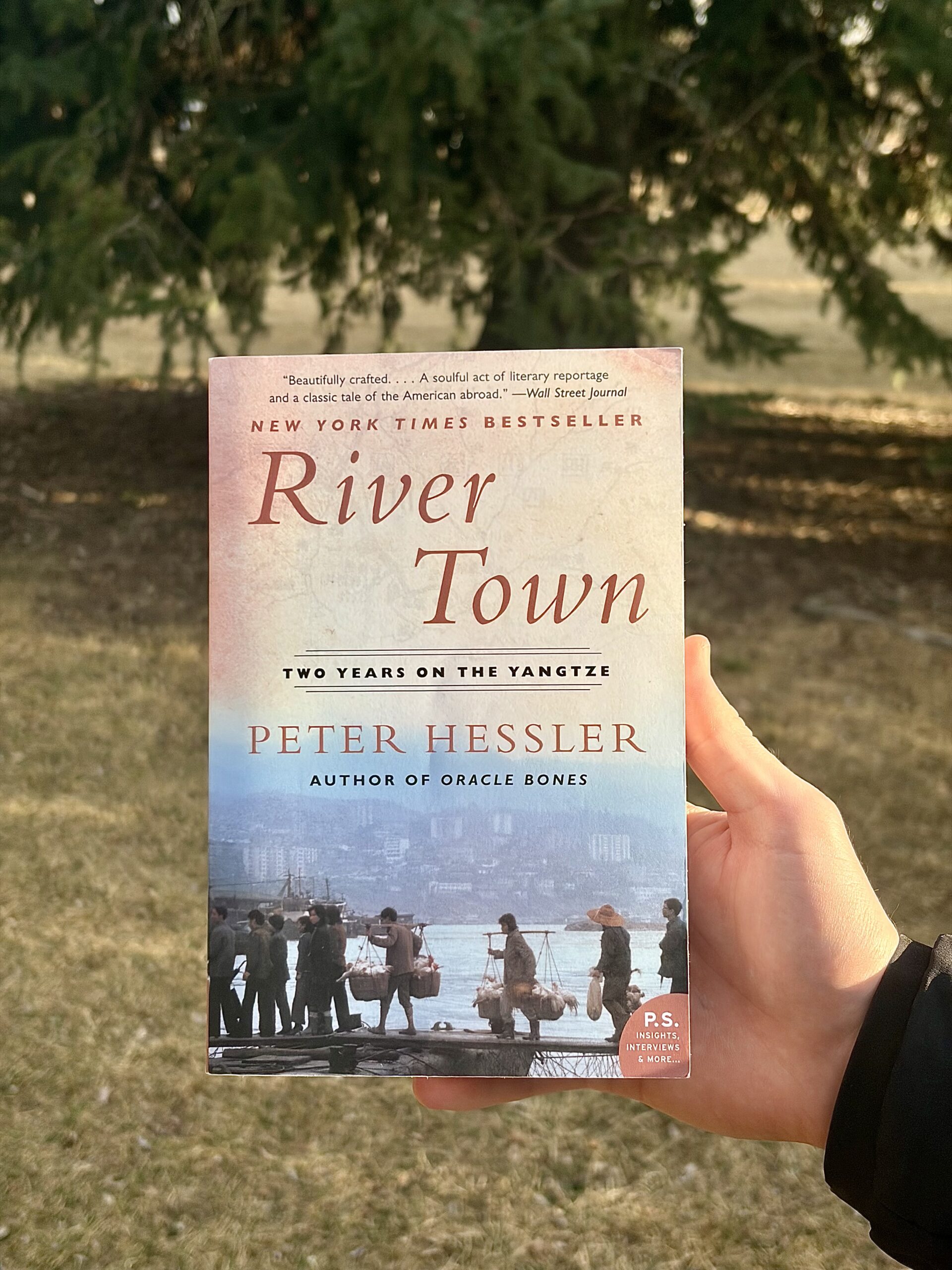
River Town by Peter Hessler
River Town is one of the most thoughtful travel books I’ve read. It balances observation of daily life with deeper reflections on culture, history, and society without feeling performative. After finishing it, I immediately bought another of Hessler’s books and read several of his long-form pieces for The New Yorker.
The book follows Hessler’s two years as a Peace Corps volunteer in Fuling, a city along the Yangtze River in China. He taught English at a teachers’ college and was likely the first American many residents had seen in over fifty years due to China’s long period of isolation after 1949. The first half sets the scene of daily life: misunderstandings with students, run-ins with local bureaucracy, and small exchanges with people around the city. By the second half, Hessler is more at ease, exploring deeper layers of Chinese history and culture.
Despite the local authorities’ cautious attitude toward outside influence, Hessler is given surprising freedom in how he teaches. His role as an English and American literature teacher turns out to be especially important — ironic considering it’s the one area packed with social and political commentary. He includes many of his students’ free-writing exercises, which reveal their underlying thoughts on a range of subjects and how differently they approach ideas we might consider “normal” in America. This ended up being one of my favorite parts of the book.
Hessler is a skilled writer; his goal was to become a narrative nonfiction writer and he’s been publishing in The New Yorker ever since. You can tell he’s dedicated to his craft, carrying a notebook and writing daily. An example passage:
“One river is all about origin; the other, destination: this is what defines the contrast in their personalities. The Yangtze in its size and majesty seems to be going somewhere important, while the Wu in its narrow swiftness seems to have come from someplace wild and mysterious; and the faint forms of its distant hills suggest that the river will keep its secrets.”
At the same time, Hessler is analytical, noting subtle cultural details and reflecting on their broader significance. For example:
“It was a vague place — even time was uncertain here. All of China is on one time zone, which meant that in Xinjiang the sun didn’t rise until eight or nine o’clock and it set after ten at night. Most of the people followed a more practical schedule, based on a mythical local time zone that was two hours later than the one in Beijing, but all of the government offices and state-run transportation followed the official standard time. It was the perfect symbol of the divide between the government and the governed, both of them living in the same place but going about their separate routines a full two hours apart.”
I appreciate the balance between storytelling and reflection. With travel books, it often feels like you have to choose between description and narrative; too much description can get dry, and too many anecdotes can feel shallow. A few chapters drag a bit, particularly the section on the river and Three Gorges Dam, but given how monumental that project is, it makes sense that he couldn’t skip it.
Hessler writes honestly; he’s warm and empathetic towards Fuling, its people, and Chinese culture, but he doesn’t shy away from criticism of political or social norms. Unlike some travel writers, whose biases seep through the page, you can tell Hessler is genuinely trying to understand the society he’s in. He is upfront that this book captures a specific time and that China’s future could look very different.
River Town is longer and more dense than lighter, humorous travel books like The Sex Lives of Cannibals or In a Sunburned Country. I also hadn’t read many travel books set in China, so it was cool to travel vicariously in a place with such a long and layered history.
Hessler wrote three other books drawing on the ten-plus years he spent in China. I picked up Oracle Bones and am excited. From what I’ve heard, River Town focuses more on Hessler’s personal experiences, while Oracle Bones takes a broader view, tracing Chinese history and society. I’m looking forward to reading it and seeing how the two books compare.
-
My Favorite Reads of 2025
I officially read 104 books in 2025 — 35,507 pages in total. It wasn’t my highest-reading year, but with how busy things were, I’m proud I still hit my goal of averaging around 100 books. This was also a year of revamping Learning From Literature, so you’ll see many of these books on the site.
Like last year, this list isn’t a complete record of everything I read (for that, check out my Goodreads). Here are my 20 favorite books of 2025.
(more…) -
The Art of Spending Money by Morgan Housel
The Art of Spending Money by Morgan Housel explores how spending choices can shape a richer, more meaningful life. Housel emphasizes that true wealth isn’t just about money – it’s about creating a life that feels like your own. Through relatable stories, he shows how every financial decision reflects what we truly prioritize.
(more…) -
The 5 Types of Wealth by Sahil Bloom
The 5 Types of Wealth by Sahill Bloom argues that true wealth extends beyond money, encompassing relationships, health, time, and knowledge. He breaks down how each type of wealth contributes to a fulfilling, balanced life. Through examples and practical tips, the book shows how cultivating all five areas can create lasting prosperity and well-being.
(more…) -
Die With Zero by Bill Perkins
Die with Zero by Bill Perkins argues that the purpose of money is to maximize meaningful life experiences, not to accumulate unspent wealth. He shows how timing matters just as much as security, urging people to match their resources with the phases of life when they can enjoy them most. Through advice mixed with personal anecdotes, he makes the case for intentionally converting savings into memories, relationships, and fulfillment.
(more…) -
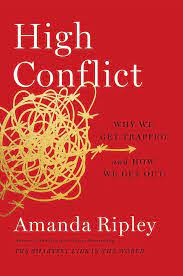
High Conflict by Amanda Ripley
High Conflict by Amanda Ripley explores why some conflicts escalate and persist while others are resolved peacefully. She examines the psychological and social dynamics that fuel high-stakes disagreements in families, workplaces, and societies. By analyzing real-world examples, the book reveals strategies for managing tension, de-escalating disputes, and fostering understanding.
(more…) -
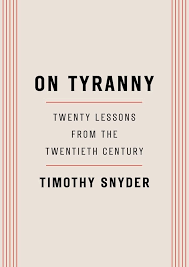
On Tyranny by Timothy Snyder
On Tyranny by Timothy Snyder distills lessons from history to show how democratic institutions can be undermined and freedoms eroded. He outlines twenty practical steps citizens can take to recognize, resist, and prevent authoritarianism in their own societies. The book emphasizes vigilance, moral courage, and everyday choices as essential tools for preserving democracy.
(more…) -
Everyone Who Is Gone Is Here by Jonathan Blitzer
Everyone Who Is Gone Is Here by Jonathan Blitzer traces how U.S. foreign policy, Cold War interventions, and immigration laws shaped modern migration patterns. He combines personal stories of migrants and deportees with historical context to reveal the human consequences of these policies. The book shows that today’s border crisis is the result of decades of political decisions and systemic pressures.
(more…) -
A Random Walk Down Wall Street by Burton Malkiel
A Random Walk Down Wall Street by Burton Malkiel describes how markets tend to reflect available information so quickly that beating them consistently is almost impossible. He breaks down investment fads and demonstrates how patterns that look meaningful often collapse under real data. By stressing discipline and diversification, he shows how ordinary investors can build wealth without illusions of control.
(more…) -
Essentialism by Greg McKeown
Essentialism by Greg McKeown argues that focusing on what truly matters is the key to effectiveness and fulfillment. He shows how eliminating nonessential tasks and commitments creates space for meaningful work and better decision-making. Through explained principles, the book demonstrates how prioritizing less can lead to achieving more.
(more…) -
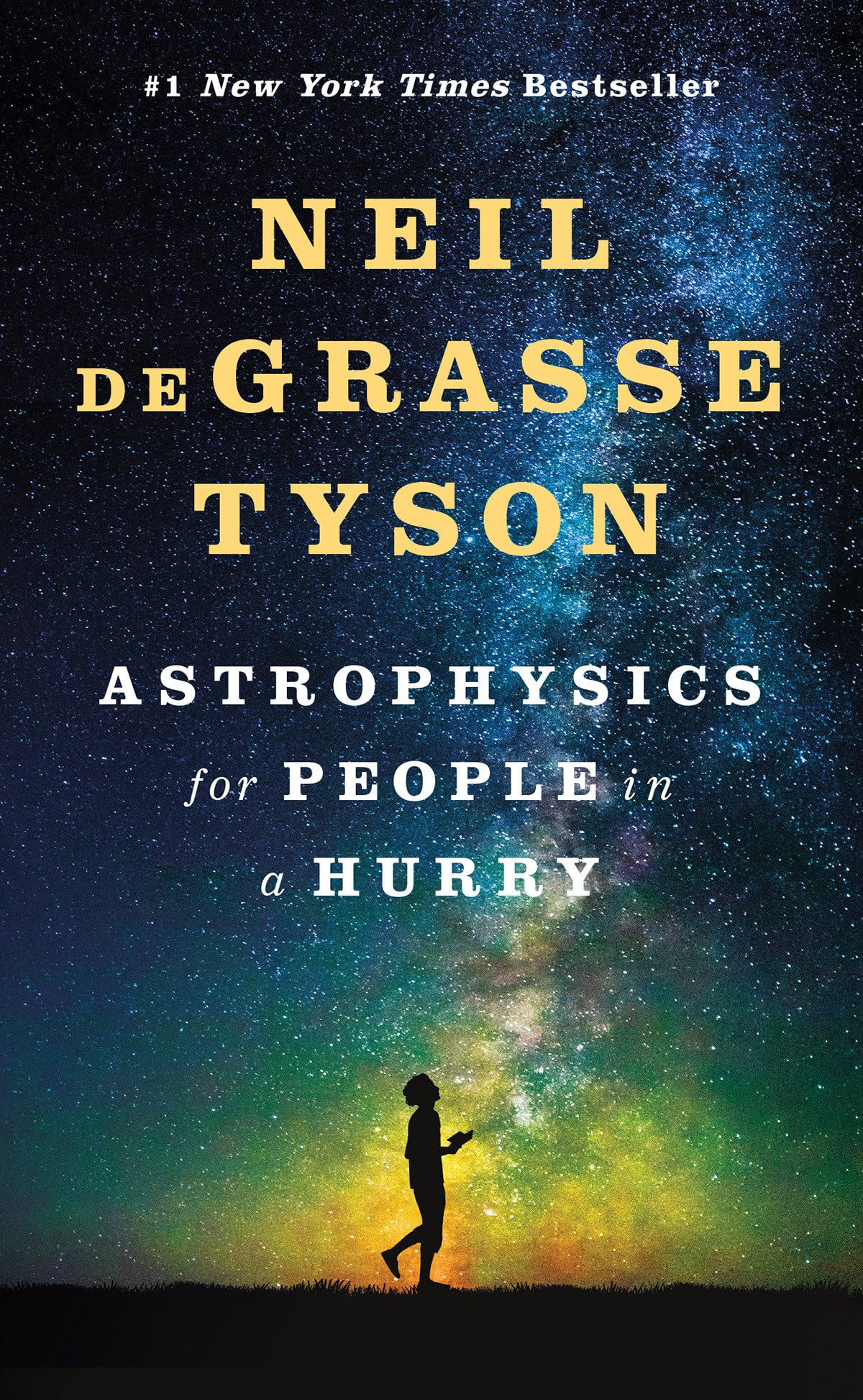
Astrophysics for People in a Hurry by Neil deGrasse Tyson
Astrophysics for People in a Hurry by Neil deGrasse Tyson breaks down complex astrophysics into digestible insights for readers with limited time. He explains the universe’s fundamental principles, from the Big Bang to black holes, using clear language and relatable analogies. The book emphasizes the wonder of the cosmos while showing how science shapes our understanding of reality.
(more…) -
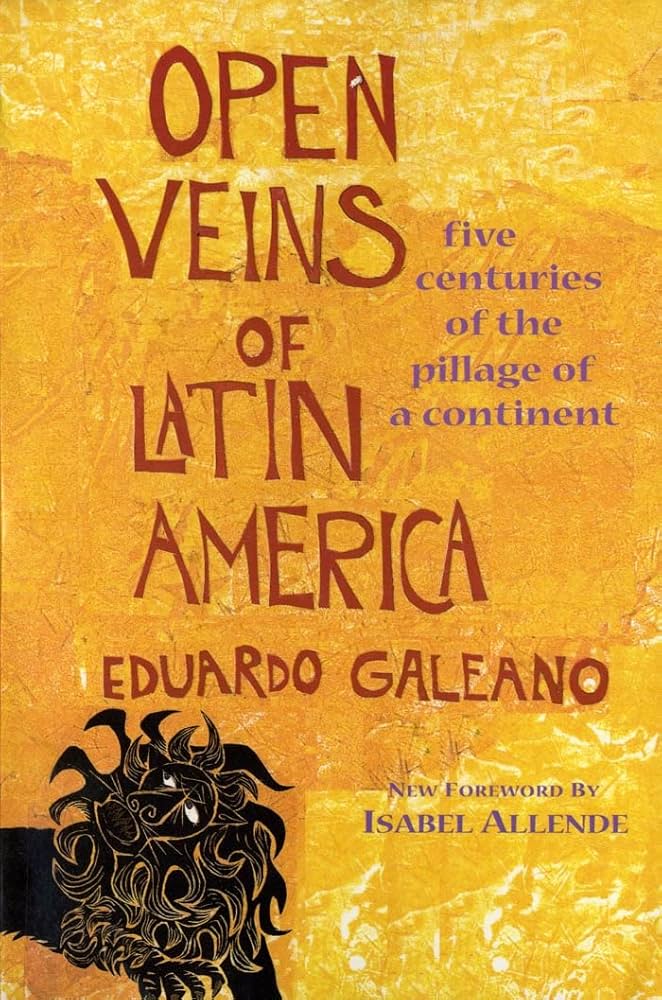
The Open Veins of Latin America by Eduardo Galeano
The Open Veins of Latin America by Eduardo Galeano traces the history of Latin America’s exploitation, showing how colonialism, foreign intervention, and resource extraction shaped lasting inequality. He blends historical analysis with storytelling to reveal the economic and social forces behind the continent’s struggles. Through sharp critique, he connects past injustices to the challenges Latin America faces today.
(more…) -
The Art Of Happiness by The Dalai Lama & Howard Cutler
The Art Of Happiness by His Holiness The Dalai Lama and Howard C. Cutler examines the nature of happiness and how it can be cultivated through mindset and daily practice. They combine spiritual insight with psychological perspectives to show how inner peace and meaningful relationships contribute to well-being. The book emphasizes that happiness is a skill that can be developed rather than a condition dependent on external circumstances.
(more…) -
Small Giants by Bo Burlingham
Small Giants by Bo Burlingham profiles companies that choose to stay small not out of limitation, but out of a commitment to purpose, culture, and craft. He shows how these businesses thrive by prioritizing employees, customers, and community impact over rapid expansion. Through rich case studies, he argues that greatness in business can come from depth, not scale.
(more…) -
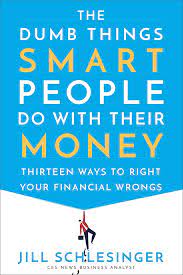
The Dumb Things Smart People Do With Their Money by Jill Schlesinger
The Dumb Things Smart People Do With Their Money by Jill Schlesinger highlights the common financial mistakes even intelligent, well-informed people make, from emotional investing to poor planning. She explains why knowledge alone isn’t enough – behavior, habits, and biases often drive decisions that undercut long-term goals. With clear examples, she offers strategies to avoid these pitfalls and make smarter choices with money.
(more…) -

The Obstacle Is The Way by Ryan Holiday
The Obstacle Is The Way by Ryan Holiday draws on Stoic philosophy to show how challenges and setbacks can be transformed into opportunities for growth. He presents strategies for perceiving obstacles differently, acting with discipline, and cultivating resilience. Through historical examples, the book demonstrates that adversity can become a pathway to success.
(more…) -

Simple Tips to Start Reading
Reading is a popular New Year’s resolution for good reason – it’s enjoyable and offers proven benefits for both mind and body. Yet many struggle to make it a habit, often because of mindset or picking the wrong book. In this post, we share 14 simple tips to help you cultivate a reading habit that’s fun, sustainable, and suited to your tastes.
(more…) -
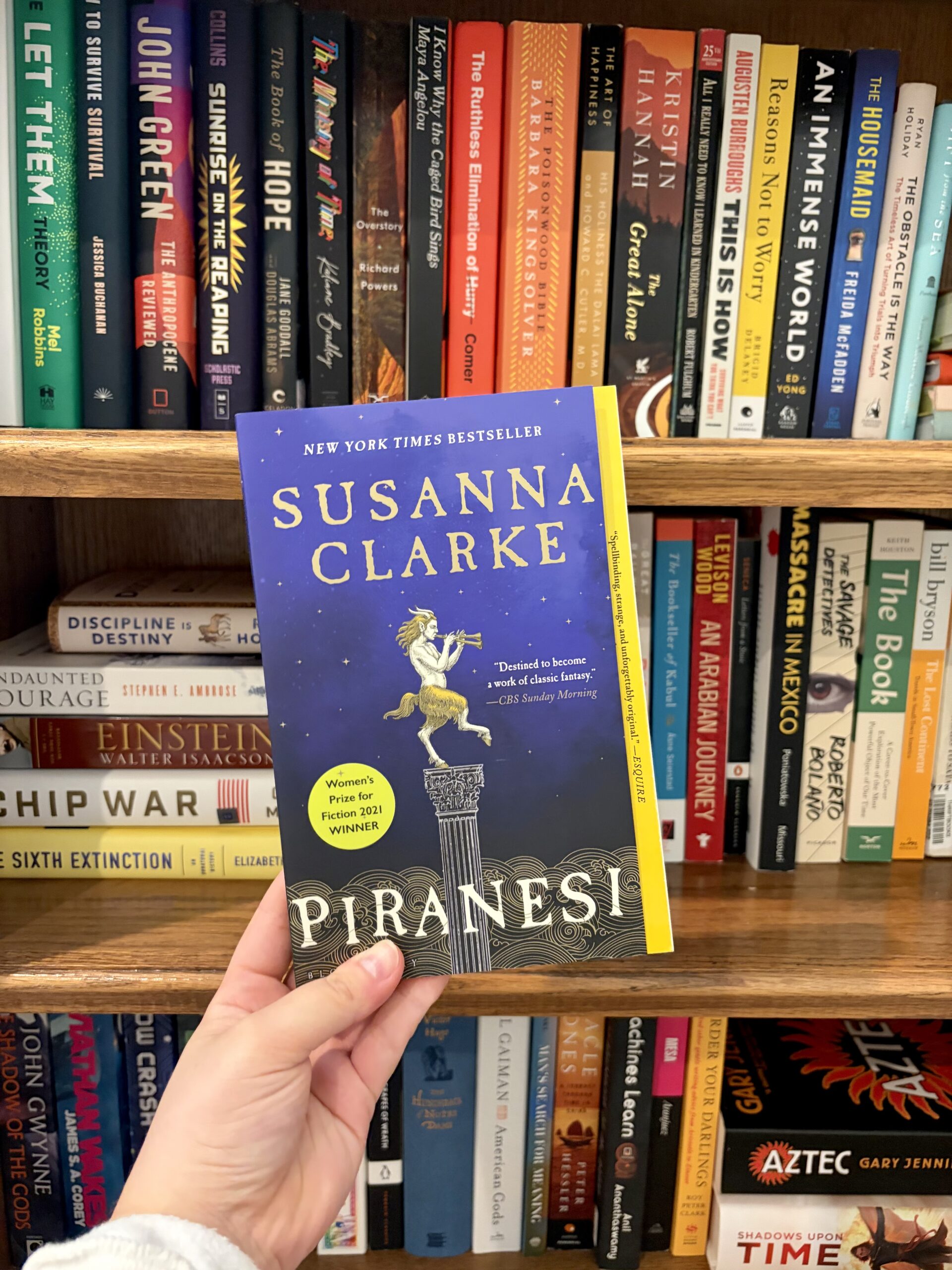
Piranesi by Susanna Clark
Piranesi was a comfort read for me. It was a fall weekend night, and I’d been really busy, so I wanted a good book without feeling mentally drained by a huge world-builder. Piranesi seemed on the shorter side and has good reviews (plus a cool cover), so I jumped in.
Piranesi lives in an endless, statue-filled House, with clouds on the floors above and a vast ocean on the floors below. He carefully records the tides and his daily life in journals, believing that only fifteen people have ever existed in this world, most long dead. Twice a week, he meets the Other, a refined man who brings supplies from outside and urges him to search for a mysterious “Great and Secret Knowledge.”
At first, Piranesi seems genuinely content, marveling at the unique statues and exploring the different Halls. But his world begins to shift when he notices that his journals have been tampered with and they may not be alone…
Piranesi’s story is often compared to Plato’s Allegory of the Cave, since he inhabits a world of statues without realizing they reflect a greater reality beyond his perception. In Plato’s tale, a prisoner sees only shadows on the cave wall, unaware of the real world outside. The novel also echoes themes from Jorge Luis Borges, especially works like The Library of Babel and The House of Asterion, which Clarke has mentioned as influences.
The world is fascinating. For a novel just over 200 pages, it struck a perfect balance of complexity — you can’t build a Dune-level universe, but it also isn’t overly simplistic. The House itself is intriguing, and the fact that every statue is unique adds another layer. For instance, one statue he records is a faun “standing in a snowy forest and speaking to a female child,” likely nodding to when Lucy meets Mr. Tumnus at the start of The Chronicles of Narnia.
I really appreciate Clark’s approach with this book. It’s the result of decades of ideas, but she didn’t try to do too much or stretch it into a longer novel than it needed to be. It has the feel of a skilled author experimenting with an imaginative world. Even though it’s a short read, you can tell it’s carefully crafted and not just a quick novel released for a paycheck.
Piranesi isn’t the book to pick up if you’re looking for answers to all the world’s problems and I will say the ending wraps up faster than the pacing of the rest of the book, but Clark handles it well. As I mentioned earlier, I’d much rather have a story end cleanly than drag out something that doesn’t need to be.
At the end of the day, I chose to feature it on the homepage of this blog, so take that as you will. Nothing life changing but genuinely enjoyable.
-

Best Science Fiction Books of All Time
I read across basically every genre, but science fiction takes the cake for me. Because it isn’t limited by what’s currently possible, it becomes a playground for ideas – where authors can push boundaries and explore big questions. From dystopian tales to space travel, here are the best science fiction books of all time, diving into themes like free will, genetic engineering, and what it means to be human.
(more…) -
Atomic Habits by James Clear
Atomic Habits by James Clear explains how small, consistent changes in behavior can lead to remarkable long-term results. He breaks down the science of habit formation and provides practical strategies to build good habits while breaking bad ones. Through examples and actionable advice, the book shows how tiny shifts in routine can transform both personal and professional life.
(more…) -

How to Choose Your Next Book
Choosing your next book can be enjoyable, but with so many options and recommendations, it can also feel overwhelming. This guide highlights useful resources to help you discover books that match your interests, no matter your genre preferences.
(more…) -
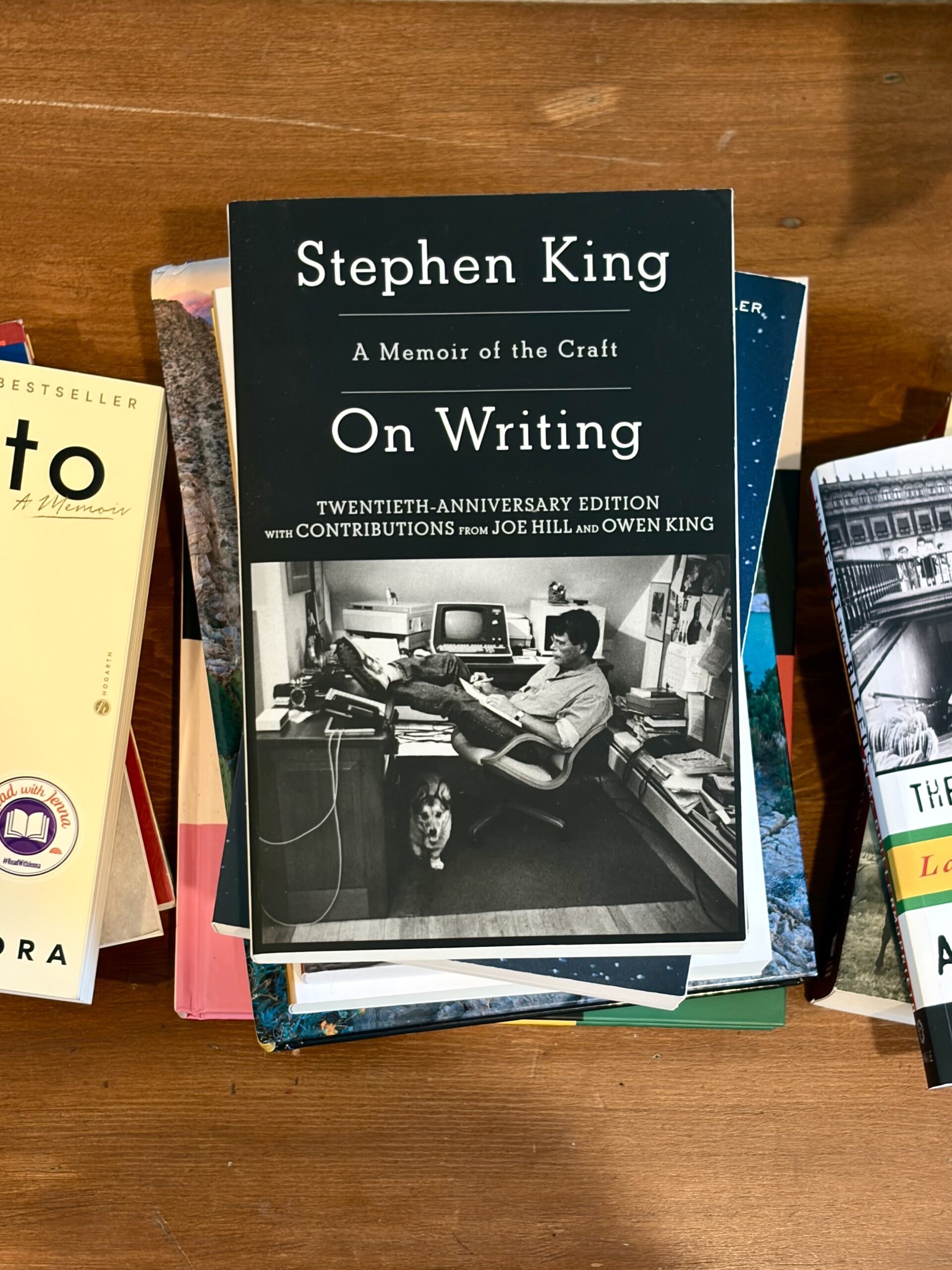
On Writing by Stephen King
On Writing is part memoir, part guide to the craft. As someone who admires Stephen King’s influence and wants to write myself, it’s only natural to see what one of the greatest of all time has to say about the process.
King splits the book into two halves. The first is a brief autobiography, highlighting key moments from his youth and early adulthood. He also discusses his battles with addiction and the moment that sparked the idea for Carrie.
To give a snapshot: King has been writing his entire life. He had a nail on his wall where he’d stick rejection letters – eventually upgrading to a bigger spike when the pile got too large. In high school, he and a friend ran a newspaper out of his backpack mocking his teachers until the faculty found out who it was.
After marrying his wife Tabitha at a young age and starting a family, money was tight. They lived in a double-wide trailer, and King worked as a high school English teacher for $6,000 a year. In the evenings, he’d sit in the laundry space of the trailer, using his daughter’s toy desk across his knees to write.
One day, he started writing a few pages from the perspective of a high school girl but didn’t like it and threw it away. The next day, his wife had dug the pages out of the trash, brushed off the cigarette ash, and told him, “I like this. You’re going to keep writing.” King protested, saying he didn’t know anything about high school girls. She replied, “I’ll help you with those parts when you need.” Flash forward, he received a $400,000 check for his first published book, Carrie, and never again had to work a day job to support his writing.
The rest of On Writing, aside from a brief postscript about the 1999 accident where he was hit by a van, focuses on the craft of writing itself.
One of my favorite parts is the brief interlude called What Writing Is, which comes between the autobiography section and the main “On Writing” portion:
What Writing Is: Telepathy, of course. It’s amusing when you stop to think about it – for years people have argued about whether or not such a thing exists, folks like J. B. Rhine have busted their brains trying to create a valid testing process to isolate it, and all the time it’s been right there, lying out in the open like Mr. Poe’s Purloined Letter. All the arts depend upon telepathy to some degree, but I believe that writing offers the purest distillation. Perhaps I’m prejudiced, but even if I am, we may as well stick with writing, since it’s what we came here to think and talk about.
Look – here’s a table covered with red cloth. On it is a cage the size of a small fish aquarium. In the cage is a white rabbit with a pink nose and pink-rimmed eyes. On its back, clearly marked in blue ink, is the numeral 8. The most interesting thing here isn’t even the carrot-munching rabbit in the cage, but the number on its back. Not a six, not a four, not nineteen-point-five. It’s an eight. This is what we’re looking at, and we all see it. I didn’t tell you. You didn’t ask me. I never opened my mouth and you never opened yours. We’re not even in the same year together, let alone the same room… except we are together. We are close. We’re having a meeting of the minds. We’ve engaged in an act of telepathy. No mythy-mountain shit; real telepathy.
I think On Writing is a worthwhile read for anyone, even if you’re not a literature fan, because it gives you a window into the mind of a professional at the top of his craft. It’s not just what he says about writing – it’s how he talks about it. He shows a level of expertise and understanding that I think is admirable for any discipline.
Another often-overlooked aspect of any craft is the sheer work. King describes his process, and it’s clear that many authors don’t just sit down and spit out perfect prose. It’s like music: singers usually don’t create number-one hits in five minutes; I’ve seen artists spend dozens of hours mixing a three-minute song.
There’s a common rule that it takes 10,000 hours to become an expert at something. King has spent that many times over on writing – it’s inseparable from who he is.
-
The Ultimate List of History Books
History shapes how we understand the world, its people, and the events that have led us to today. Whether through studies of empires or just pivotal moments, these books offer insights into the forces that have shaped human civilization. This ultimate list of history books highlights works across all eras and regions.
(more…) -
Range by David Epstein
Range by David Epstein challenges the idea that early specialization is the key to success, showing that breadth of experience often leads to greater innovation and adaptability. He draws on research from sports, science, and business to illustrate how generalists can outperform specialists in complex, unpredictable environments. The book emphasizes experimentation, learning across domains, and the value of diverse skills.
(more…) -

The Benefits of Reading Fiction
While physical exercise keeps our bodies strong, reading fiction exercises the mind in equally powerful ways. Beyond providing entertainment, fiction sharpens critical thinking, sparks creativity, and deepens our understanding of human experiences. In this post, we explore the many ways that diving into a good novel can be a daily gift for your brain and imagination.
(more…) -
Shogun by James Clavell
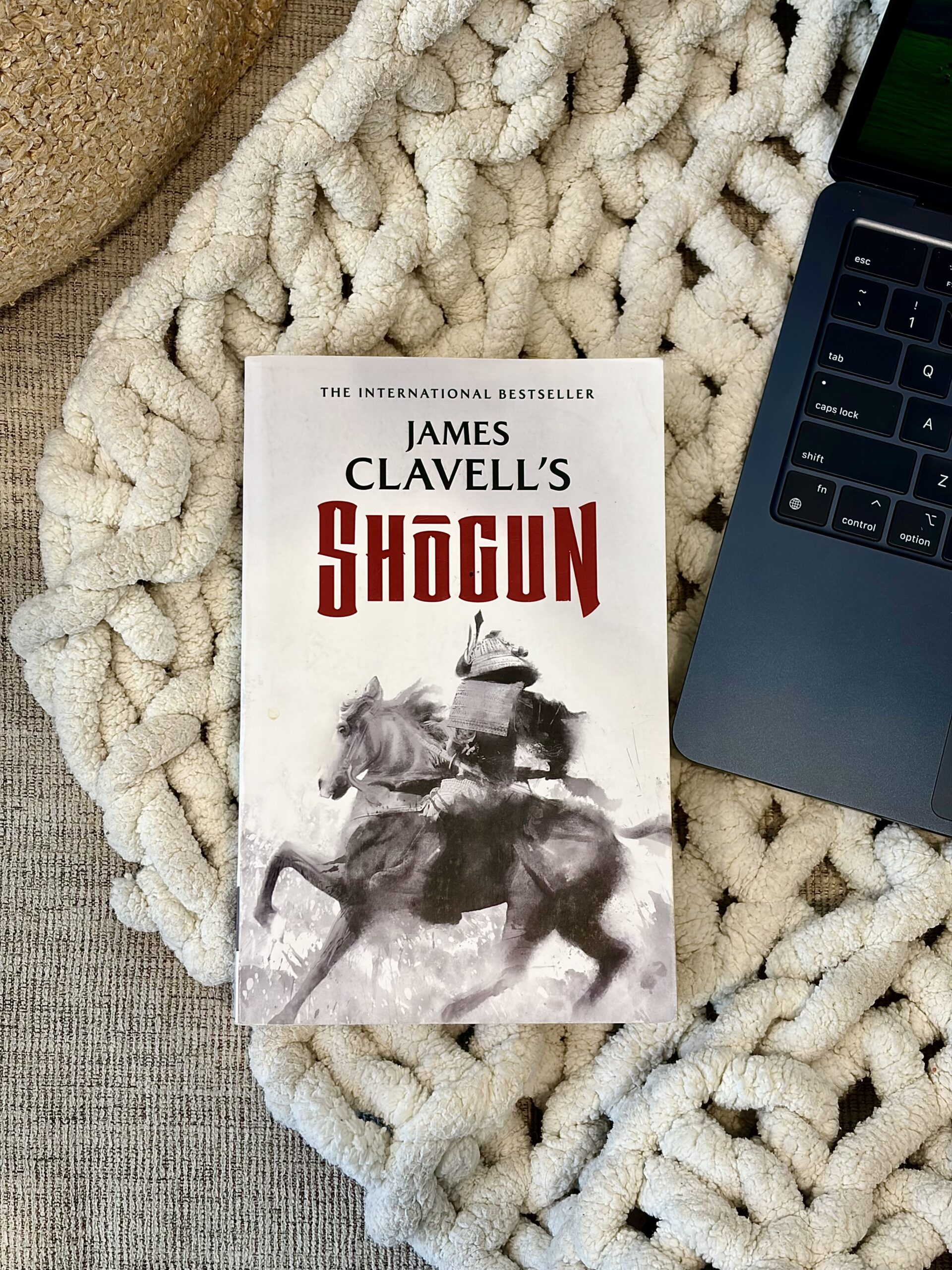
A friend came to stay for the weekend and put on a Japanese show with English subtitles. I don’t usually watch much TV, but it held my attention and I realized I’d come across Shōgun many times while researching books. So I decided to read it — and it turned out to be exactly what I was hoping for.
Shōgun tells the story of John Blackthorne, the first Englishman to arrive in Japan in 1600. By this time, the Portuguese had been in Japan for many years, but their influence was tightly controlled by the authorities: European trade was confined to Nagasaki, and Japan remained an isolated and feudal society.
Blackthorne is the pilot of a Dutch ship sent to challenge Portuguese dominance of trade routes to Asia. When the ship is caught in a storm, nearly the entire crew is lost, and only two dozen men survive to wash ashore in a Japanese port.
Separated from his surviving crew, Blackthorne is drawn into the power struggles between competing factions as Japan moves toward civil war; his knowledge of navigation, warfare, and European politics makes him a valuable tool. As he rises in status, Blackthorne must balance his desire to return home with his growing involvement in Japanese politics, all while navigating betrayal, shifting loyalties, and the threat of Portuguese interests.
Clavell, who returned from World War II as a Japanese prisoner of war, wrote an entire series of historical novels set in Asia. Shōgun is the best place to start; it’s his most acclaimed novel and the first chronologically in the Asian Saga. It’s long and usually split into two parts, but a combined edition is available; mine runs over 1,000 pages. I’ve read two others so far, King Rat and Tai-Pan, and enjoyed both.
At its core, the story is about two cultures colliding, and through Blackthorne’s eyes we see the differences between medieval Europe and Japan. Europeans avoided bathing and practiced bloodletting, while the Japanese bathed daily, ate cleaner, and used more advanced medicines. Blackthorne’s opinions shift over time — he starts disgusted but gradually comes to admire Japanese life. I really enjoy these contrasts; it’s rare for historical fiction to explore societal dynamics this deeply but still have an engaging plot. To some readers, this makes the story drag in the middle, but I appreciated the depth.
The historical settings are very developed, including food, clothing, architecture, rituals, and everyday customs. By necessity, most of Clavell’s novels are written in third-person omniscient; there is too much intricate political and social maneuvering to be understood from a single viewpoint.
Despite the detail, his writing isn’t flowery — much of the worldbuilding comes through dialogue and characters’ inner thoughts. It’s a unique feel; depth usually comes with longer, heavier sentences but Clavell keeps it short and engaging. It makes sense that he described his books like several shorter novels woven into one.
Some critics argue that Clavell simplifies the cultures he writes about. There are minor historical inaccuracies – like the use of carrier pigeons – but they don’t undermine the story’s central themes. Clavell himself described the novel as “passionately pro-Japanese,” and a Middle Eastern ruler once offered him a full oil tanker for a novel that would do for his country what Shōgun did for Japan.
Shōgun inspired me to explore more historical fiction that is longer and uses that length to fully immerse you in the societies they depict. I’ve read King Rat and Tai-Pan, but I’m also excited to read ones by other authors such as Aztec, The Pillars of the Earth, and Musashi.
-

Best Fantasy Books to Read
Fantasy! One of the most popular genres today – and for good reason with its ability to help you escape into a new world. Some of these stories span eras and empires, while others focus on just a few unforgettable characters. Here are some of the best fantasy books to read, sorted by subgenre.
(more…) -
The Elements of Investing by Burton Malkiel & Charles Ellis
The Elements of Investing by Burton G. Malkiel and Charles D. Ellis lays out a straightforward, evidence-based approach to building wealth through investing. They emphasize simplicity, low-cost index funds, and long-term discipline over market timing or complex strategies. By breaking down investment principles into clear, actionable steps, they make it accessible for anyone seeking steady financial growth.
(more…) -
The 3 Types of Literature
Literature is all about exploring the human experience through words. The art can be categorized into three main types – prose, poetry, and drama – each with its own style and way of connecting with readers. Understanding these forms can make reading more fun and help you see stories from a fresh perspective.
(more…) -
Empire of Silence by Christopher Ruocchio
The entire Sun Eater series was an awesome read for me. This isn’t just a call to pick up the first book; it’s a call to read the series as a whole. Along with Shōgun, this is my top fiction read of 2025.
Empire of Silence is set 20,000 years in the future after humanity has spread across the galaxy. It tells the story of Hadrian Marlowe in his own words, a man who ran away from his destiny as a nobleman only to find himself caught in a terrible war between the Sollan Empire and the Cielcin, a marauding alien race bent on humanity’s destruction.
From the very first page, Hadrian admits that he is the man who ended that war, and in doing so, destroyed billions of lives. How he did it, and why, remains a mystery yet to be revealed.
The series has epic worldbuilding, and you start to notice it almost immediately. The Sollan Empire rules over millions of worlds, complete with alien races, biotechnology, artificial intelligence, genetic engineering, caste systems, futuristic weapons, and (of course) space travel. As the story unfolds, Hadrian visits hundreds of planets and Ruocchio makes each feel distinct.
The exposition is gradual; everything is filtered through Hadrian’s perspective, so you learn about the universe as he does. This makes the setting feel authentic and lived-in, with a constant sense that there’s always more to be discovered.
The pacing is what made this a strange read, as it’s very different from most science fiction novels. You’re not reading to find out what happens — Hadrian spoils that on the very first page — but to understand how and why it happens. It feels like a 4,000-page autobiography, where the first 700 pages (book one) are devoted entirely to the subject’s early life. It isn’t flashy; Ruocchio takes his time establishing the world and Hadrian’s inner conflict before the larger stakes finally come into focus.
Because of this, it’s worth committing to at least the first two books, not just Empire of Silence. Everything is part of the same massive, interconnected story, and the series needs time to settle in before it really gets going. I took a couple of weeks between each of the first few books, but by the end I was so invested that I took barely a week to finish the rest of the series.
The frame narrative gives the story a reflective, almost confessional quality, as though Hadrian is trying to set the record straight. This tone is established from the very first pages:
Light.
The light of that murdered sun still burns me. I see it through my eyelids, blazing out of history from that bloody day, hinting at fires indescribable. It was like something holy, as if the sun were torn asunder and it was the light from the Gods’ own heaven that burned the world and billions of lives with it. I carry that light always, seared into the back of my mind. I make no excuses, no apologies, no denials for what I have done. I am what I am, and I know it could have been no other way.
If you couldn’t tell, the writing definitely leans toward the poetic. Each book is long, and Hadrian is frequently described by those close to him as melodramatic, so it’s no surprise that his narration reads that way. The prose is dense, giving the series an epic, memoir-like feel rather than an action story.
It’s also worth noting that this was Ruocchio’s debut novel. He began writing it at just sixteen and finished around age twenty-two. As a result, the plot can meander, and many readers rank the first book among the weakest in the series. To be fair, Ruocchio himself has admitted that he didn’t fully know where the story was headed at the time. That said, his dialogue and overall command of the story improve noticeably as the series progresses.
I think many readers rate Empire of Silence more highly in hindsight, after finishing the series, because it ultimately feels necessary. It provides the foundation — who Hadrian Marlowe is and where he comes from — and without that grounding, it’s hard to imagine being as emotionally invested in what follows.
Lord Hadrian Marlowe, The Halfmortal, The Palekiller, The Demon in White, The Sun Eater. By the end of the first book, you might even wonder whether you’re meant to like the protagonist at all. Remember, this is Hadrian at his youngest. You’ll have to work for it and stick with him, but it’s worth the effort.
-

Top Travel Books to Read
Travel books have a way of transporting us from the comfort of our own homes to immerse in distant lands and new cultures. From personal journeys to explorations of nature, these stories capture the beauty of the world. Here’s a list of the top travel books for every adventurer to learn something new.
(more…) -
Same as Ever by Morgan Housel
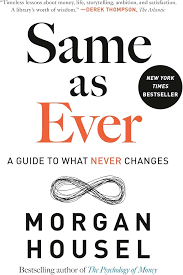
Same as Ever by Morgan Housel reflects on the patterns and behaviors that define human history. He emphasizes that while circumstances change, human psychology, patience, and decision-making remain consistent drivers of outcomes. Through stories, Housel explores how understanding these constants can improve both your everyday choices and understanding of the world.
(more…) -

12 Stylish Ways to Organize Your Bookshelf
A bookshelf is more than just a place to store your books – it’s a chance to express your style and bring personality to any room. Whether you have a small collection or a sprawling home library, the way you arrange your books can transform a space, balancing beauty and function. In this post, we’ll explore creative but practical ideas for arranging your shelves.
(more…) -
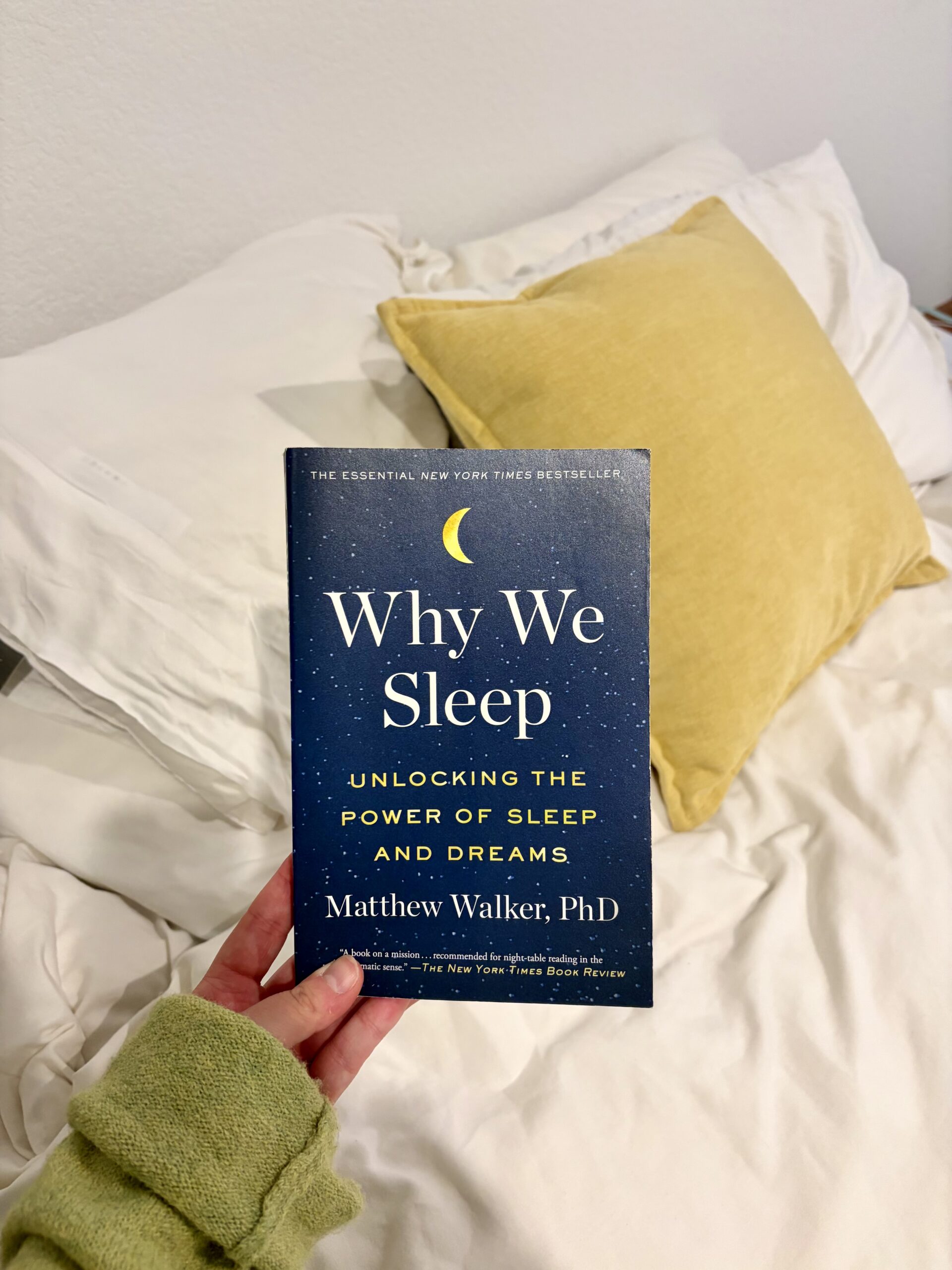
Why We Sleep by Matthew Walker
If you’re anything like me, you probably feel as though you haven’t been getting enough quality sleep. Many books I enjoy, like Essentialism, touch on sleep as a fundamental part of a healthy life, but it’s often overshadowed by diet or exercise. Walker argues that it shouldn’t be:
AMAZING BREAKTHROUGH!
Scientists have discovered a revolutionary new treatment that makes you live longer. It enhances your memory and makes you more creative. It makes you look more attractive. It keeps you slim and lowers food cravings. It protects you from cancer and dementia. It wards off colds and the flu. It lowers your risk of heart attacks and stroke, not to mention diabetes. You’ll even feel happier, less depressed, and less anxious. Are you interested?
It may sound exaggerated, but studies show that almost every system in your body suffers when sleep is cut short. After just ten days of sleeping seven hours a night, your brain functions as if you’d pulled an all-nighter. Three nights of “recovery sleep” aren’t enough to fully bounce back. And after nineteen hours awake, your cognitive performance is on par with someone who is legally drunk.
The consequences extend beyond personal health. Drowsy drivers cause more accidents than drunk drivers; sleep-deprived doctors are more prone to mistakes in surgery; even vaccinations are less effective without a full night’s rest.
Much of this may feel familiar — kids acting out after a poor night’s sleep, or noticing how caffeine and alcohol affect rest — but Walker provides the science behind these observations. He explains circadian rhythms, “sleep pressure,” REM and NREM cycles, and how our brain consolidates memories.
The book is divided into four parts: how sleep works, its benefits, the purpose of dreams, and societal sleep issues. While you could read it out of order, I recommend starting from the beginning. Grasping the mechanics of sleep early makes the later sections more compelling.
Walker makes the science accessible. He references many studies — necessary for a research book — but explains them in clear language. It’s not a quick read, you do need to focus, but there’s little overly technical jargon. Compared to other foundational works, like Daniel Goleman’s Emotional Intelligence, which can be dense, Why We Sleep is much easier to engage with.
I will say that some of Walker’s claims feel overstated. At times, he presents findings as conclusive even when the research is still emerging — like the links between sleep and psychiatric disorders. While it’s true that no major psychiatric condition occurs without disrupted sleep (including depression, anxiety, PTSD, schizophrenia, and bipolar disorder), correlation does not equal causation.
Regardless, the book makes one thing very clear: sleep is crucial for our health. I’ll leave you with 12 tips for healthy sleep:
- Stick to a sleep schedule
- Exercise is great, but not too late in the day
- Avoid caffeine and nicotine
- Avoid alcoholic drinks before bed
- Avoid large meals and beverages late at night
- If possible, avoid medicines that disrupt sleep
- Don’t take naps after 3pm
- Relax before bed
- Take a hot bath before bed
- Dark bedroom, cool bedroom, gadget-free bedroom
- Have the right sunlight exposure
- Don’t lie in bed awake
-

Top 10 Best-Selling Books Of All Time
Some books don’t just become popular – they become cultural touchstones read across generations. While exact numbers can be difficult to verify, all of the books on this list have undeniably shaped global reading habits and ideas. Here are the ten best-selling books of all time and why they continue to resonate with readers everywhere.
Note: This list excludes religious and political works.
(more…) -
Travel As Transformation by Gregory V. Diehl
Travel As Transformation by Gregory V. Diehl examines how travel can be more than sightseeing, showing it as a path to personal growth and self-discovery. He explores the ways new environments, cultures, and experiences challenge assumptions and reshape perspectives. The book combines practical advice with philosophical insights to reveal how journeys can transform both mind and life.
(more…) -

A Simple Guide to Book Genres
Genres give readers a quick sense of what to expect, whether an adventure, mystery, or imaginative escape. Understanding these categories makes it easier to choose your next read and explore new kinds of stories. This guide introduces the main book genres to help you navigate the world of literature with confidence.
(more…) -
The Art of Spending Money by Morgan Housel
I’ve read a lot of books about money, many of which are included on my notes page, but The Art of Spending Money is my favorite. I gave a copy to my uncle, and he summed it up perfectly: it’s funny how the advice is more about happiness itself than about money strategies at all.
Housel’s central idea is that money is a tool, not the end goal. He argues that happiness depends far more on understanding your personal values and spending intentionally than on income alone. Rather than chasing societal expectations, you should identify what truly brings fulfillment and make choices aligned with that understanding. Because fulfillment looks different for everyone, money is more art than science (hence the title).
Another key theme is that expectations shape happiness as much as circumstances. Housel illustrates this with the story of his grandmother, who lives in a small house with no other income besides Social Security. Thanks to the success of his books, he’s spoken with multiple billionaires, and he claims he can confidently say his grandmother is happier than all of them. She had everything she needed: family, a garden, and a deep sense of contentment.
Here’s an included parable I enjoy:
A businessman visiting a seaside town meets a local fisherman. He’s shocked to learn the fisherman works only a few hours a day.
“What do you do with the rest of your time?”
“I sleep late, hang out with my family, read, take naps, and play guitar with my friends.”
“I have an idea,” the businessman says. “You should work all day. Save money, buy another boat, hire more fishermen. Then you can save more money, buy more boats, and make so much that you could retire in ten years.”
“That sounds great, but what would I do after I retire?”
“Why, you could sleep late, hang out with your family, read, take naps, and play guitar with your friends.”
The 5 Types of Wealth revisits this story with an important twist. Neither the businessman nor the fisherman is inherently right or wrong — it all depends on what you want from life. The fisherman chooses the “lifestyle” path, living in the present and enjoying the journey, while the businessman delays gratification to build something that will outlast him. The only real mistake is drifting into either path by default, without consciously deciding what you want your life to become.
I recommend reading these two books together. Both explore how to design your life intentionally, rather than letting societal defaults — like building your identity entirely around work — make decisions for you. It’s a refreshing perspective, especially in modern America.
I’ve always liked Housel’s writing style. I’ve included his other books on the blog, The Psychology of Money and Same as Ever, and they share the same approachable, easy-to-read feel. He uses short chapters and clear explanations rather than dense blocks of text, using stories to drive his points home.
I’ll definitely keep recommending The Art of Spending Money. In today’s world, it’s hard to talk honestly about happiness without mentioning money. Before diving into specific investment tactics or tax strategies, it’s essential to understand your relationship with money and the role it plays in your life — whether you obsess over it or avoid it. Without that foundation, it’s easy to spend years chasing the wrong things.
-

The Top Business Books
Business books can vary widely – some focus on management, others on innovation, and some are closer to personal development than traditional business writing. These works have stood the test of time and genuinely changed how people think, work, and lead. Whether you’re building a company or simply trying to change your own relationship with money, these are the books worth reading.
(more…) -
In The Time Of The Revolution by Alan Axelrod
In the Time of the Revolution by Alan Axelrod tells of the American Revolution – not as a series of battles, but through the lives of everyday colonists. He highlights how ordinary people experienced upheaval, hope, loss and reinvention as the continent split from the mother country. The book emphasizes the social, economic, political, and personal shifts that reshaped a nation.
(more…) -

The Most Famous Female Authors
Throughout history, female authors have written against the grain – challenging expectations and reshaping genres – often publishing under male pen names just to be heard. Women around the world played a pivotal role in transforming reading from a strictly scholarly pursuit into a widely loved form of entertainment by popularizing fiction. Today, these authors are recognized as some of the most influential and celebrated of all time.
(more…) -
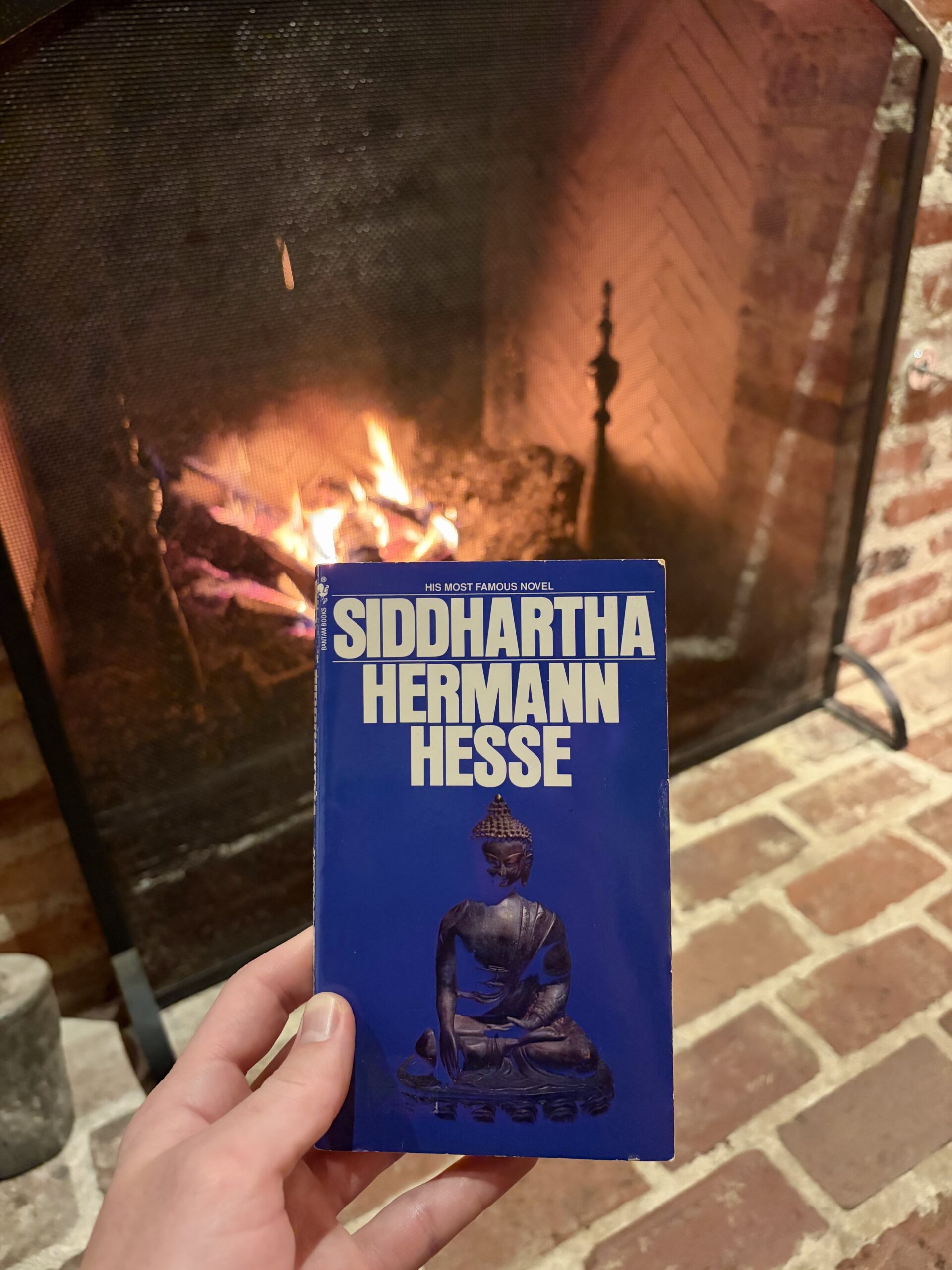
Siddhartha by Hermann Hesse
Hermann Hesse was one of my favorite authors in high school and early college. He lived a difficult life, which you can read about here, and that struggle shows up again and again in his work. Many of his novels revolve around self-realization and inner conflict, and Siddhartha is no exception.
Siddhartha is trained in ritual, meditation, and intellectual discipline. He’s admired by all and shares a close bond with his loyal friend Govinda. Despite his success, he feels inwardly dissatisfied, noticing that even respected Brahmin elders haven’t attained true spiritual fulfillment. Believing that traditional teachings can no longer guide him, Siddhartha decides to leave home to find enlightenment on his own terms. His father reluctantly agrees, and Govinda chooses to come along.
From there, the novel follows Siddhartha’s lifelong journey as he explores different ways of living, including asceticism, Buddhism, and a material, worldly existence. He learns from many teachers — the Brahmins, a merchant, a courtesan, a ferryman, and even a river — but through it all, he tries to remember what matters most: “I can wait, I can think, I can fast.”
At its core, Siddhartha argues growth is an inward journey that requires self-discovery rather than prescribed paths or doctrines. You might understand the teaching, but you won’t grasp the essence unless you have experienced it yourself, a distinction some people describe as the difference between knowledge and wisdom.
Other books I’ve reviewed on this site, such as Range and The Art of Spending Money, similarly emphasize the benefits of self-exploration. Whether the goal is spiritual enlightenment or financial success, research shows that people who take time to experiment often end up ahead in both happiness and material outcomes. In one epiphany, Siddhartha realizes he’s been chasing external goals without truly knowing himself. If happiness comes from within, and he doesn’t know himself, how could he ever be truly happy?
Many of the book’s themes feel even more relevant in our fast-paced world — mindfulness, listening, and patience — reminding us that the journey is inseparable from the destination. Eastern concepts run throughout the novel, likely inspired by Hesse’s personal crisis and trip to Asia. Siddhartha is metaphorically “reborn” multiple times throughout his journey, finally arriving at a state of understanding — similar to karmic rebirth and the attainment of Nirvana.
The book reads more like a philosophical parable than a traditional novel. It’s a quick, easy read at around 100 pages but at the same time, the writing isn’t simplistic; it perfectly matches the contemplative feel of the story. I think it could be a great audiobook; I’ve never listened to one but the writing has a lyrical, almost poetic rhythm that I enjoy. I’d describe it as “searching,” with lots of commas and repeated phrases that mirror Siddhartha’s own cycles of searching for self-realization. It’s interesting how the sentence structure mirrors the story’s structure itself.
The setting is straightforward, enough to frame the story but not overly detailed. Some people criticize the book for simplifying Eastern religions, but adding too much depth would undermine its purpose as a parable about self-discovery.
I love Siddhartha for both its themes and its style. The prose and message are calm, the short length keeps it low-stakes, and the simple arc makes it a comfort read for me. It’s the kind of book I enjoy in the same way I enjoy The Little Prince and The Alchemist.
-
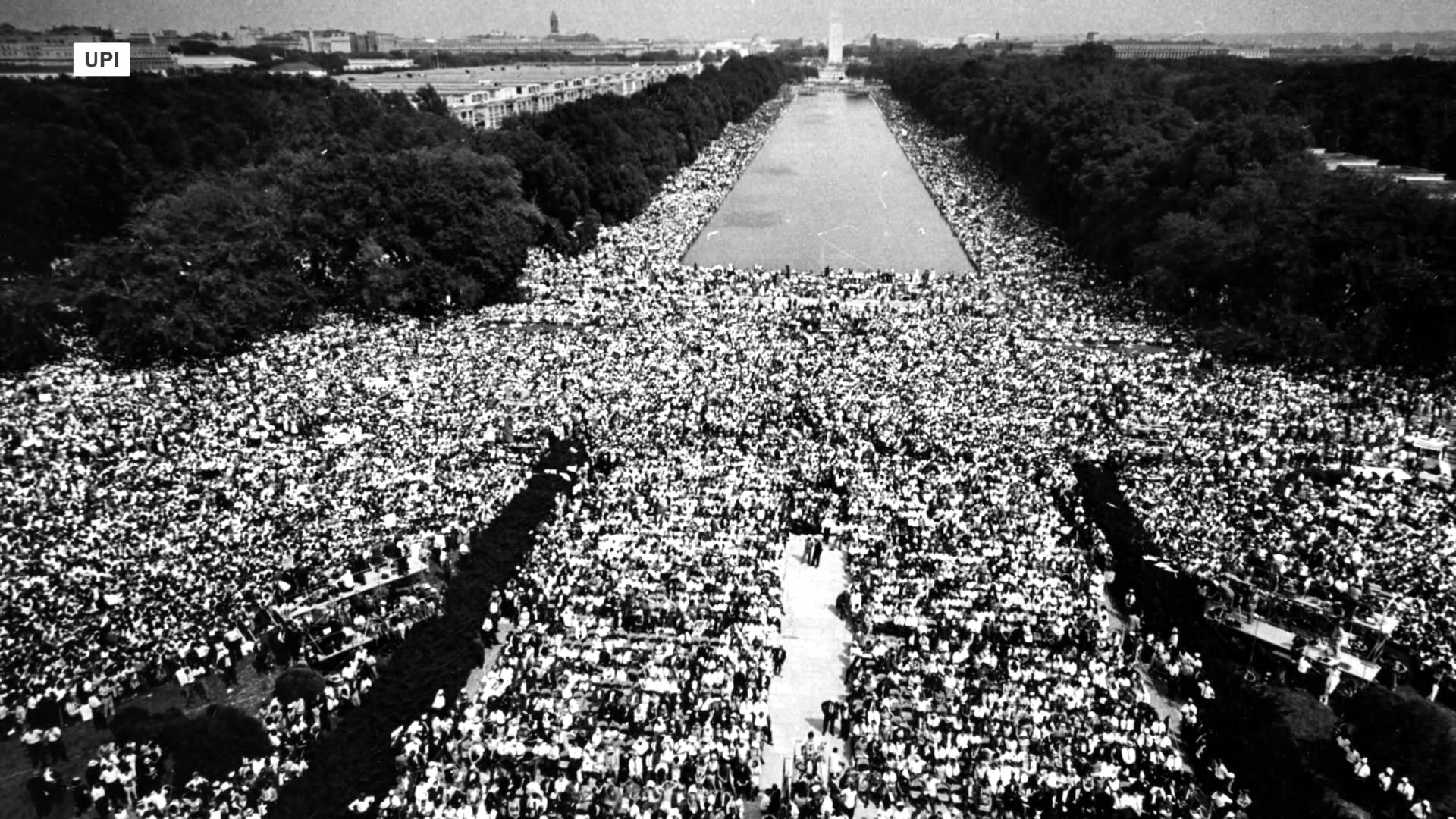
12 Must-Read Books By Black Authors
For centuries, Black voices in literature were silenced or ignored, yet their work continues to shape our understanding of identity, culture, and society. From memoir to historical fiction, I frequently recommend multiple books on this list. Here are 12 must-read stories by Black authors, each offering a unique perspective on the human experience.
(more…) -
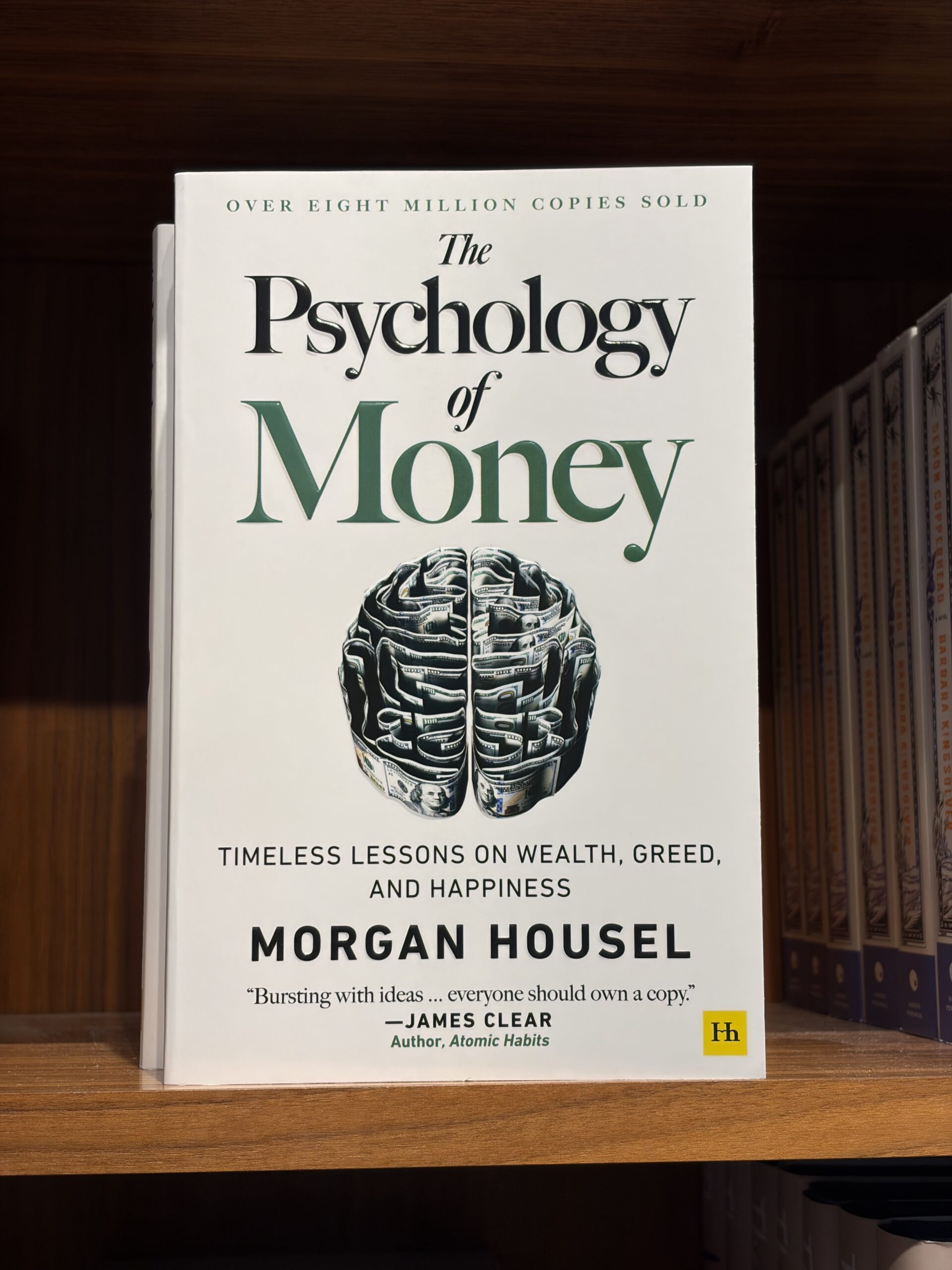
The Psychology of Money by Morgan Housel
The Psychology of Money by Morgan Housel explores how human behavior, emotion, and perception shape financial decisions more than formulas or forecasts. He shows that patience, humility, and understanding risk often matter more than technical knowledge in building wealth. Through engaging stories, he emphasizes that money decisions reflect our values, biases, and life experiences as much as our intelligence.
(more…) -

How Dune Inspired Star Wars
From desert worlds and political factions to mystical orders and interstellar empires, Dune helped shape the foundation of modern sci-fi storytelling – including the galaxy far, far away in Star Wars. In this post, we’ll explore the ways Herbert’s masterpiece inspired George Lucas and left a lasting mark on one of cinema’s most beloved franchises.
(more…) -
The Road by Cormac McCarthy
My uncle likes Cormac McCarthy, and I remember talking with him about The Road years ago. I kind of forgot about McCarthy for a while, but after he passed away in 2023, I saw the news and felt like it was time to pick up one of his books. I started with a few of his westerns before finally diving into The Road.
In an ash-covered America, a father and his young son push everything they own in a beat-up cart, trying to make their way to the coast. Starvation looms, and the threat of cannibalism is never far away, but the father keeps reminding his son that they’re “carrying the fire,” holding onto goodness even when the world gives them every reason to give up.
As the father’s health declines and the world grows colder and more dangerous, the journey is no longer just about surviving together; it’s about preparing his son to survive on his own. In the end, the father must trust that the values he’s taught will be enough, and that somewhere out there, the “good guys” still exist.
It’s ironic that McCarthy is generally known as a Western writer, but his most popular book is The Road, which is dystopian (a branch of science fiction). In 2007, it won the Pulitzer Prize, arguably the most prestigious award in American literature. McCarthy was inspired to write it after a visit to El Paso with his young son (whom the book is dedicated to), where he had a post-apocalyptic vision of the city and imagined how his child might survive in such a world.
The book shows just how much humans depend on each other to survive, not only physically but emotionally. Even with the world destroyed, it keeps asking whether being a good person still matters when there’s no one left to judge you. At the center of everything is the relationship between the father and son. Because we see just how harsh this world can go (cannibalism and worse), the high stakes make you deeply invested, wanting them to “succeed” — whatever success even means in a world like this.
McCarthy’s style is really unique. I once heard a famous author give advice: “Breaking the traditional rules of writing rarely works, but if you do it successfully, those become the books that generate a cult following.” That’s basically McCarthy; you read his work not just for the story, but for the way he tells it.
His writing has a flowy, almost oral quality. He uses no quotation marks, few commas or apostrophes, and mixes long, flowing sentences with stark, punchy ones. I like it, but you have to be fully immersed for it to work. Settle into the rhythm and let yourself imagine it as if someone were telling the story aloud. If you’re reading in short bursts or aren’t fully focusing, you might keep getting kicked out of the narrative.
I read several of his westerns before moving on to The Road. He describes landscapes and environments so well that, even though I knew it was post-apocalyptic, the setting still surprised me. I’ve seen plenty of movies in similar worlds (The Book of Eli, Mad Max), but I was happy to experience that backdrop through literature. The world feels real and lived-in, and even though the environment is different from his other works, it carries the same dark tone.
It’s definitely violent, with scenes like cannibalism, so it’s not kid-friendly. The constant fear the father and son live with seeps into the reader; I was tense almost the whole time. There’s a push and pull: you want to believe they’ll make it, but you’re genuinely worried. Some writers always give you a happy ending, but with McCarthy, you’re never sure, and that makes his books feel more honest.
I’d definitely recommend trying The Road. If dystopias aren’t your type, I’d still recommend checking out one of McCarthy’s other books. I’ve put together a list of his most popular works HERE, and I’ll probably do a full review of one of his westerns at some point.
EDIT: After writing this review, I finished the last of his most famous novels I hadn’t read yet — No Country for Old Men — and it confirmed him as one of my favorite authors. He hasn’t missed in anything I’ve read so far.
-

Top 10 Hemingway Short Stories
Ernest Hemingway’s short stories are stripped-down narratives that say more with silence than most writers say with paragraphs. His work explores war, love, loss, identity, and the quiet tensions of everyday life, all delivered in his signature lean style. Whether you’re new to his style or revisiting old favorites, these stories capture Hemingway at his very best.
(more…) -
The Richest Man in Babylon by George Clason
The Richest Man in Babylon by George Clason delivers timeless financial wisdom through parables set in ancient Babylon, showing how basic principles – saving, investing, and living below your means – build lasting wealth. He emphasizes discipline, foresight, and practical action over get-rich-quick schemes or luck. Through simple stories, he illustrates how consistent habits and wise choices create financial security across generations.
(more…) -
The Life of Hermann Hesse: Author Profile
Hermann Hesse, winner of the Nobel and Goethe Prize, explored themes of self-discovery, spirituality, and the human experience. His works gained renewed popularity during the U.S. countercultural movement of the 1960s and ’70s and have since reached a global audience, translated into 60 languages with over 125 million copies sold.
(more…) -
A Hitchhiker’s Guide to the Galaxy by Douglas Adams
Tindol got me The Hitchhiker’s Guide to the Galaxy for Christmas a few years ago. We exchanged gifts on Christmas Eve, and I ended up finishing the book that same night.
Arthur Dent, a perfectly ordinary Englishman, wakes up to find his house is about to be demolished to make room for a bypass. He tries to stop it by lying in front of the bulldozer, but his friend Ford convinces a bureaucrat to take his place instead and suggests they head to the pub. On the way, Ford casually mentions that “the world’s about to end” and tells Arthur to grab a towel, an essential item for any intergalactic traveler.
Not long after, Earth is destroyed by a fleet of alien ships clearing for a hyperspace expressway. Hitching a ride off the planet, Arthur learns that Ford is actually a researcher for The Hitchhiker’s Guide to the Galaxy. Together, they’re launched into a bizarre journey in search of the ultimate answer to life, the universe, and everything.
Supposedly, Douglas Adams came up with the book idea after lying drunk in a field somewhere in Europe with a copy of The Hitchhiker’s Guide to Europe, thinking someone should really write a galactic version.
Adams takes on the long tradition of using comedy to bring attention to things we actually need to think about. Through absurd situations and relentless bureaucracy, he satirizes the way we overcomplicate life and take ourselves far too seriously.
Style-wise, it definitely isn’t for everyone. It’s science fiction but with a huge dose of dry British humor. You’ll read a few perfectly normal sentences and then suddenly get hit with a line like, “The ships hung in the sky in much the same way that bricks don’t.” You can usually tell within the first few pages, or even just by reading a handful of quotes, whether it’s your kind of book or not. It’s not meant to be a serious read, so if you’re not in a playful mood, you might want to skip it. Or maybe don’t: it might be what turns your mood around. Some quotes are featured on the home page of this site, but I’ve included a few more here that make me chuckle:
“So this is it,” said Arthur, “We are going to die.”
“Yes,” said Ford, “except… no! Wait a minute!” He suddenly lunged across the chamber at something behind Arthur’s line of vision. “What’s this switch?” he cried.
“What? Where?” cried Arthur, twisting round.
“No, I was only fooling,” said Ford, “we are going to die after all.”
“For instance, on the planet Earth, man had always assumed that he was more intelligent than dolphins because he had achieved so much — the wheel, New York, wars and so on — whilst all the dolphins had ever done was muck about in the water having a good time. But conversely, the dolphins had always believed that they were far more intelligent than man — for precisely the same reasons.”
“You know,” said Arthur, “it’s at times like this, when I’m trapped in a Vogon airlock with a man from Betelgeuse, and about to die of asphyxiation in deep space that I really wish I’d listened to what my mother told me when I was young.”
“Why, what did she tell you?”
“I don’t know, I didn’t listen.”
At around 200 pages and an easy read, you might as well give it a shot — especially since it’s widely considered a classic of the science fiction genre and is included on my list of the Best Science Fiction Books of All Time.
-
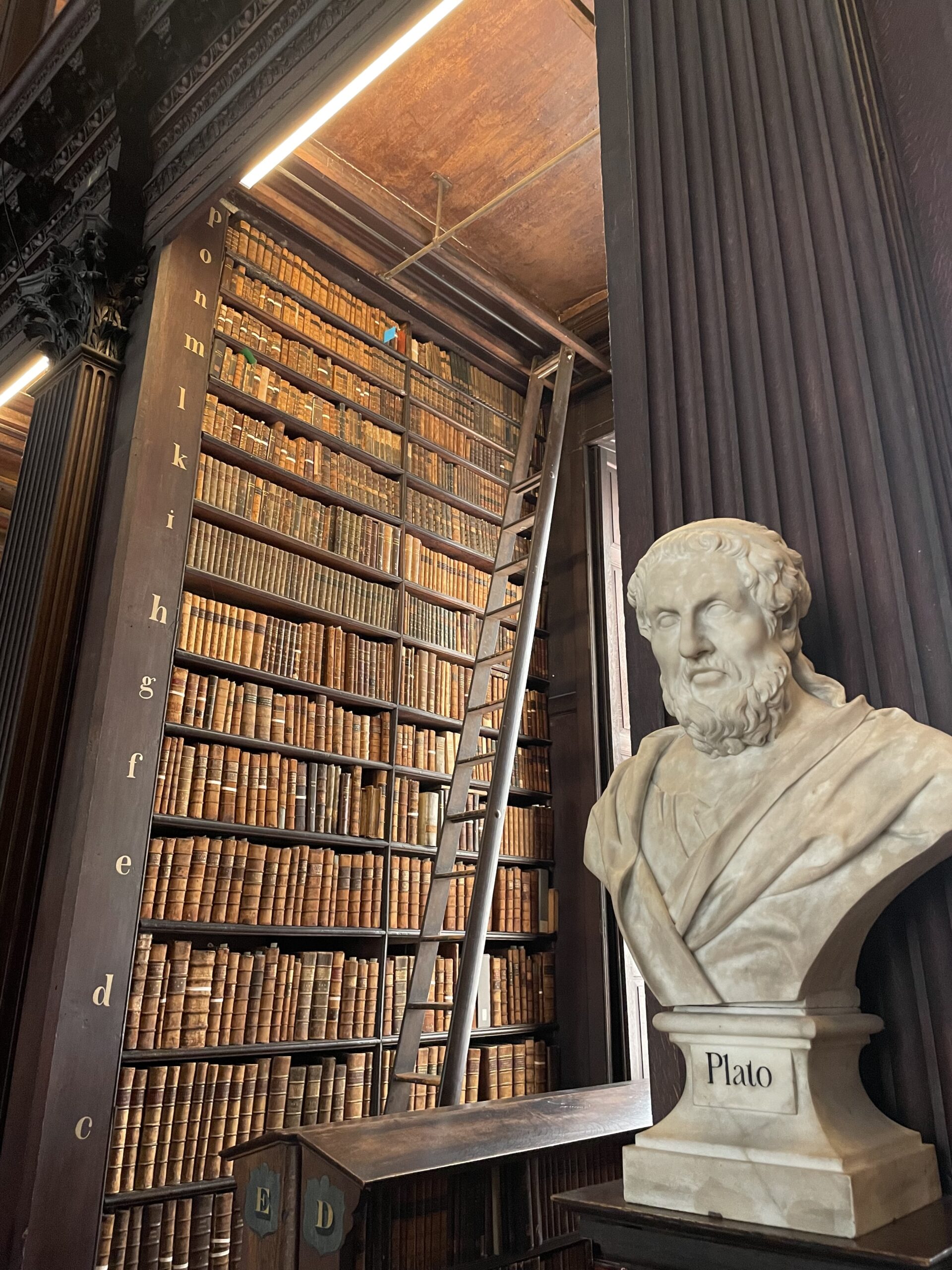
93 Best Classic Books to Read
My longest list ever! It’s worth noting that “classics” in America lean heavily toward English-language literature, which means international authors – like Jorge Luis Borges and Juan Rulfo – are often overlooked despite the lasting influence their works have left.
Classics are called classics for a reason: they are read across generations not only because of innovative writing, but because they reveal something essential about human nature. With that in mind, here are 93 classic books that continue to inspire, challenge, and captivate readers.
(more…) -
The Life-Changing Magic Of Tidying Up by Marie Kondo
The Life-Changing Magic Of Tidying Up by Marie Kondo presents a method for decluttering that focuses on keeping only items that spark joy. She emphasizes a mindful, step-by-step approach to transforming not just spaces but habits and mindset. Through her system, tidying becomes a way to simplify life and create lasting order.
(more…) -
Hyperion by Dan Simmons
Hyperion is one of the cult classics of science fiction, winning the Hugo Award and Locus Award. Surprisingly, it doesn’t get talked about much outside of serious sci-fi circles. I read a small, used paperback copy (which added to the feel), and I think that with a film adaptation it could take the Dune route to mainstream attention.
Around the year 2732, the Hegemony of Man spans hundreds of planets, linked by farcaster portals and sustained through an uneasy alliance with a civilization of advanced artificial intelligences. In the black space between stars dwell the Ousters, genetically and technologically altered humans locked in an ongoing conflict with the Hegemony.
Some worlds, known as “Outback” planets, lack farcasters altogether and can only be reached through long interstellar journeys marked by extreme time dilation. One such world is Hyperion, home to the enigmatic Time Tombs — ancient structures that move backward through time and are guarded by a terrifying entity called the Shrike.
As an Ouster assault on Hyperion draws near, a group of pilgrims is chosen to make a final journey to the Time Tombs. Each agrees to tell the story of what led them to be selected, revealing personal histories that intertwine with the fate of Hyperion, and perhaps of humanity itself.
It has an inventive world that I really liked. The farcaster system is well developed, and the structure — each pilgrim from a completely different background telling their own story — allows for a wide exploration of the universe. Between the portals, artificial intelligence, and other technologies, the book feels ahead of its time.
That said, the setting is unapologetically futuristic. If you aren’t used to reading science fiction, it might feel a little unbelievable or even confusing at times, since Simmons doesn’t stop to overexplain how everything works.
The structure is especially interesting for sci-fi. It has a Canterbury Tales-like feel: the pilgrims are traveling, but each tells their story along the way, so the flashbacks take up the majority of the book. Because of this, one common criticism is that there’s relatively little plot advancement. For more action on the external plot, particularly the Shrike encounters, you’ll need to read the sequel, The Fall of Hyperion.
Because of the multiple storylines, Simmons is able to blend many subgenres — romance, horror, mystery, war — into a single sci-fi epic, which is part of why the book is so acclaimed. Since the narrative is divided among the pilgrims, you get a fair amount of development for each main character, but not enough to become fully invested in all of them. That isn’t necessarily a drawback, but it’s good to know what type of story you’re getting into before diving in.
Hyperion is one of my most memorable science fiction novels. I often find myself thinking about the world, specifically farcasters and how strange it would be to live in an Outback world with extreme time dilation. Its uniqueness is part of what makes it stand out; it’s a book that people either love or just don’t connect with. That creativity is exactly why Hyperion has become a classic of the genre and earns a spot on my list of Best Science Fiction Books of All Time.
-
Red Rising by Pierce Brown
I’m pretty sure it took me less than a week to finish the first trilogy of the Red Rising series. It started one weekend when I didn’t have a book to read and was in the mood for sci-fi, so I downloaded the first book on my Kindle. Five days later, I was finishing the last book on my phone in class. Honestly, I probably got just about zero work done during that time period.
(more…) -
Red Rising: Full Series Review
This post provides a comprehensive look at Pierce Brown’s Red Rising series, exploring its structure, summarizing each novel, and reflecting on what makes the saga a defining work of modern science fiction.
(more…) -
Guide to the Planets of Red Rising
The Red Rising universe spans the entire solar system. The inner planets located closest to the Sun are known as the Core, home to the densest concentration of human population. Luna serves as the political center, linking the Core worlds into a unified network. Beyond the asteroid belt lies the Rim, made up of distant planets, moons, and frontier settlements at the edges of human expansion.
(more…) -
Exploring the Themes of Red Rising
Pierce Brown’s Red Rising is more than an action-packed epic – it’s a story rooted in big ideas about power, identity, and the cost of reshaping a broken world. Beneath the battles, the series grapples with themes that feel as urgent today as they would thousands of years ago.
(more…) -
The Red Rising Hierarchy Explained
Pierce Brown has said that the inspiration for Red Rising’s color-coded caste system came from Plato’s Republic and its idea that some people are born with “souls of gold, copper, iron,” each naturally suited to a role in society. In Plato’s ideal world, the “iron” souls labor while the “gold” souls rule, a structure meant to be meritocratic. Brown became fascinated with what would happen if that ideal became corrupted – when power, birthright, and control replaced merit – and he transformed this concept into a future in which humanity, after spreading across the solar system, becomes locked into rigid genetic castes known as Colors.
(more…) -
The Best Stories by Edgar Allan Poe
Edgar Allan Poe mastered the art of suspense, becoming one of the most influential figures in American literature and arguably the first to make a living solely from writing. From chilling tales to intricate mysteries, his work delves into the darkest corners of human nature. Here are some of his most famous stories – click the titles to read!
(more…) -
Ultralearning by Scott Young
Ultralearning by Scott Young presents strategies for acquiring skills and knowledge rapidly and effectively through self-directed, intensive learning projects. He emphasizes focus, experimentation, and deliberate practice to master complex subjects in less time. The book demonstrates how anyone can tackle ambitious learning goals with structured, disciplined approaches.
(more…) -
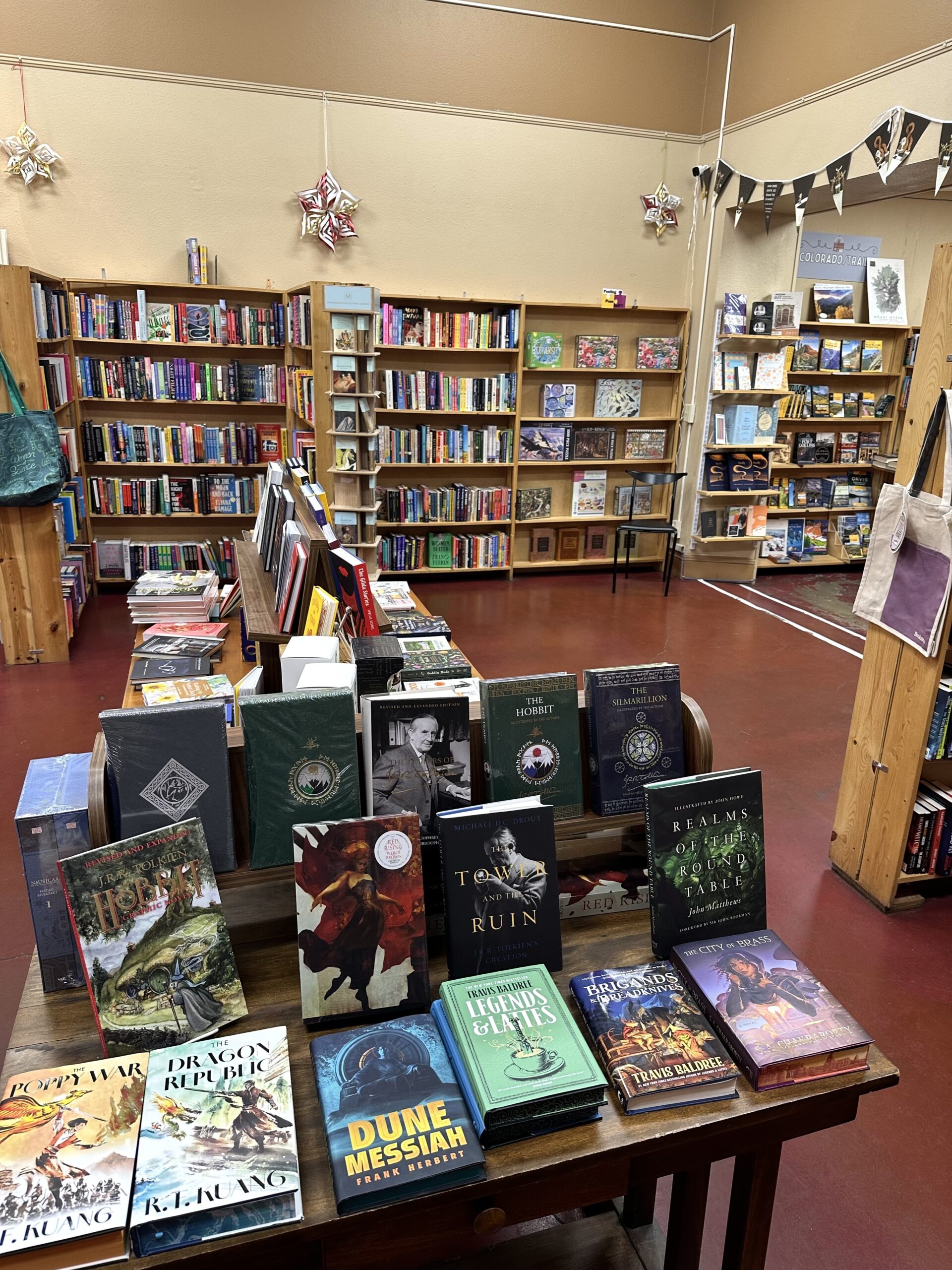
Why Successful People Read
One habit shared by the world’s most successful people is a consistent reading practice. Books offer depth and insight that other media often can’t match, giving readers a lasting edge in knowledge and perspective. From Bill Gates to Oprah Winfrey, many influential figures credit reading as a cornerstone of their success. In this post, we explore why cultivating a reading habit can be a game-changer in your own life.
(more…) -
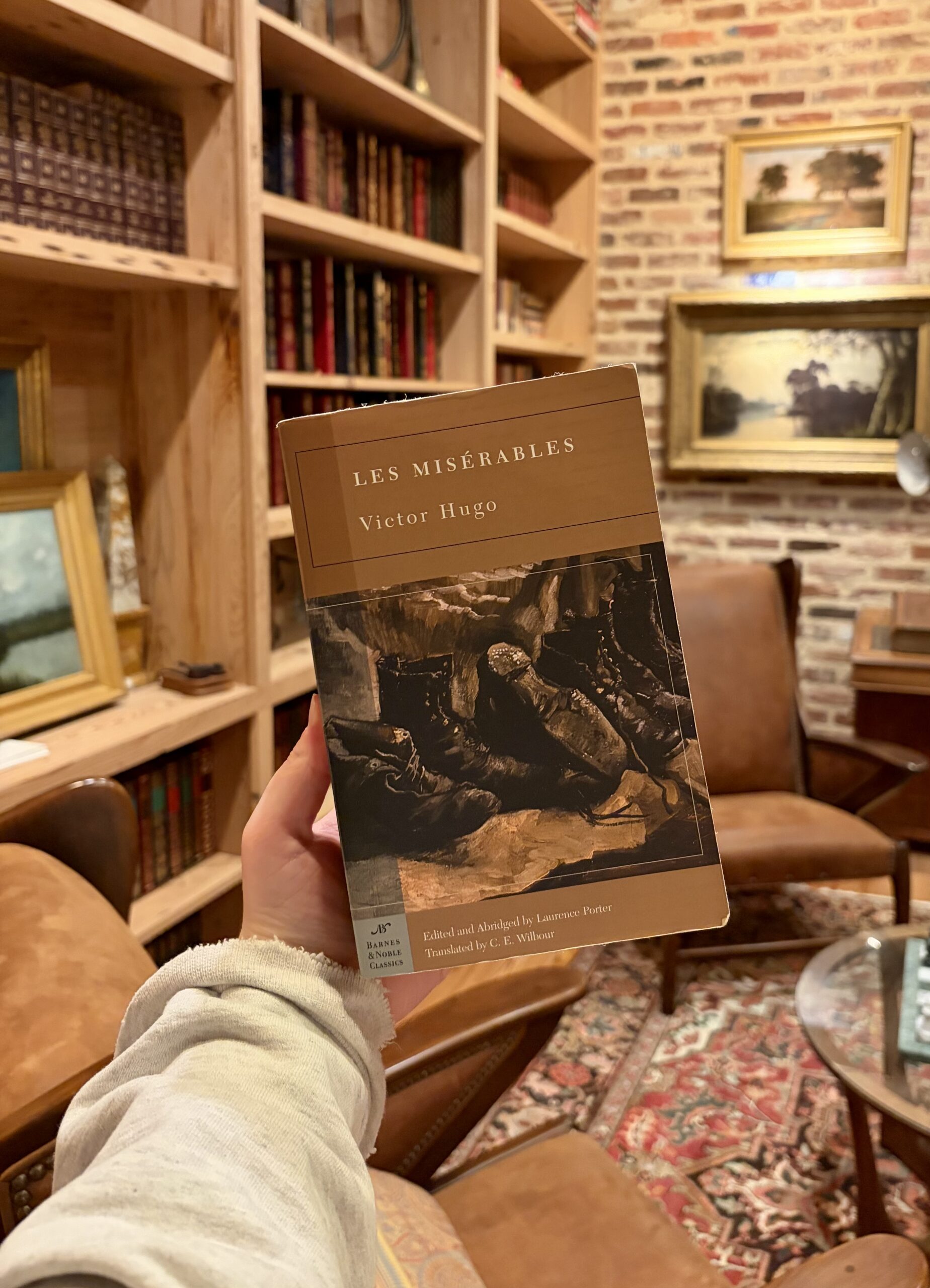
Les Miserables by Victor Hugo
I vividly remember finishing Les Miserables; it was the only book I brought with me on a five-week trip living with a host family in Peru. I went through a “classics” reading phase in high school, but this was the first one I’d read in a while and it definitely made up for it.
The novel follows Jean Valjean, a former convict who breaks parole and spends years rebuilding his life under a new identity. After rescuing the orphaned Cosette from her abusive guardians, he raises her while constantly evading Inspector Javert, whose unwavering belief in the law makes him relentless in his pursuit.
The story weaves together the lives and struggles of these characters, all intersecting in a turbulent Paris. As Cosette grows up, she falls in love with the young revolutionary Marius against the backdrop of rising political unrest. The 1832 June Rebellion erupts, drawing several characters into the barricades.
A recurring theme is how acts of kindness and personal growth can push back against rigid systems of law and punishment. The novel shows the weight of poverty and social inequality, illustrating how circumstances can shape a life as much as individual choices. Through it all, Hugo keeps returning to fundamental human needs – dignity, hope, and connection – in a world that can often be relentlessly harsh. It reminds me of a quote from El olvido que seremos by Héctor Abad Faciolince:
“My grandfather sometimes commented about me: ‘This child needs a firm hand.’ But my father would answer: ‘If he needs it, life will provide it – life itself is harsh enough, and I won’t help.’”
Hugo drew heavily from his own observations for Les Miserables: witnessing petty arrests and street poverty, visiting the Toulon prison, and living during political uprisings in Paris. Many details in the novel come directly from scenes he recorded in his notebooks. For Hugo, the setting was modern-day reality; for us, it’s nearly 200 years ago – but the human element is relevant across time. The pitch for the novel in his own words:
“I don’t know whether it will be read by everyone, but it is meant for everyone. It addresses England as well as Spain, Italy as well as France, Germany as well as Ireland. Social problems go beyond frontiers. Humankind’s wounds do not stop at the blue and red lines drawn on maps. Wherever men go in ignorance or despair, wherever women sell themselves for bread, wherever children lack a book to learn from or a warm hearth, Les Miserables knocks at the door and says: ‘open up, I am here for you.’”
It’s a long book. Hugo organizes the narrative into five volumes, each broken into books and then into chapters – 48 books and 365 chapters in total. He also includes many “digressions;” roughly a quarter of the text consists of reflective essays that don’t advance the plot at all, covering topics like monastic life, the sewer system, and Paris’s street children. If you’d rather skip those parts, abridged versions trim the text while keeping the main ideas intact. Even these versions are more than 700 pages, so you’re still getting plenty of the original story.
I enjoy the winding structure of Les Misérables, but its length definitely requires a commitment. Maybe save it for a trip like I did to give yourself the time to dive in. The novel is a perfect example of why I think reading is so important: it shows perspectives we might never encounter in our own lives and teaches us to be better people by revealing both the good and the bad in humanity. It’s one of my personal favorites among all the classics I’ve read.
-
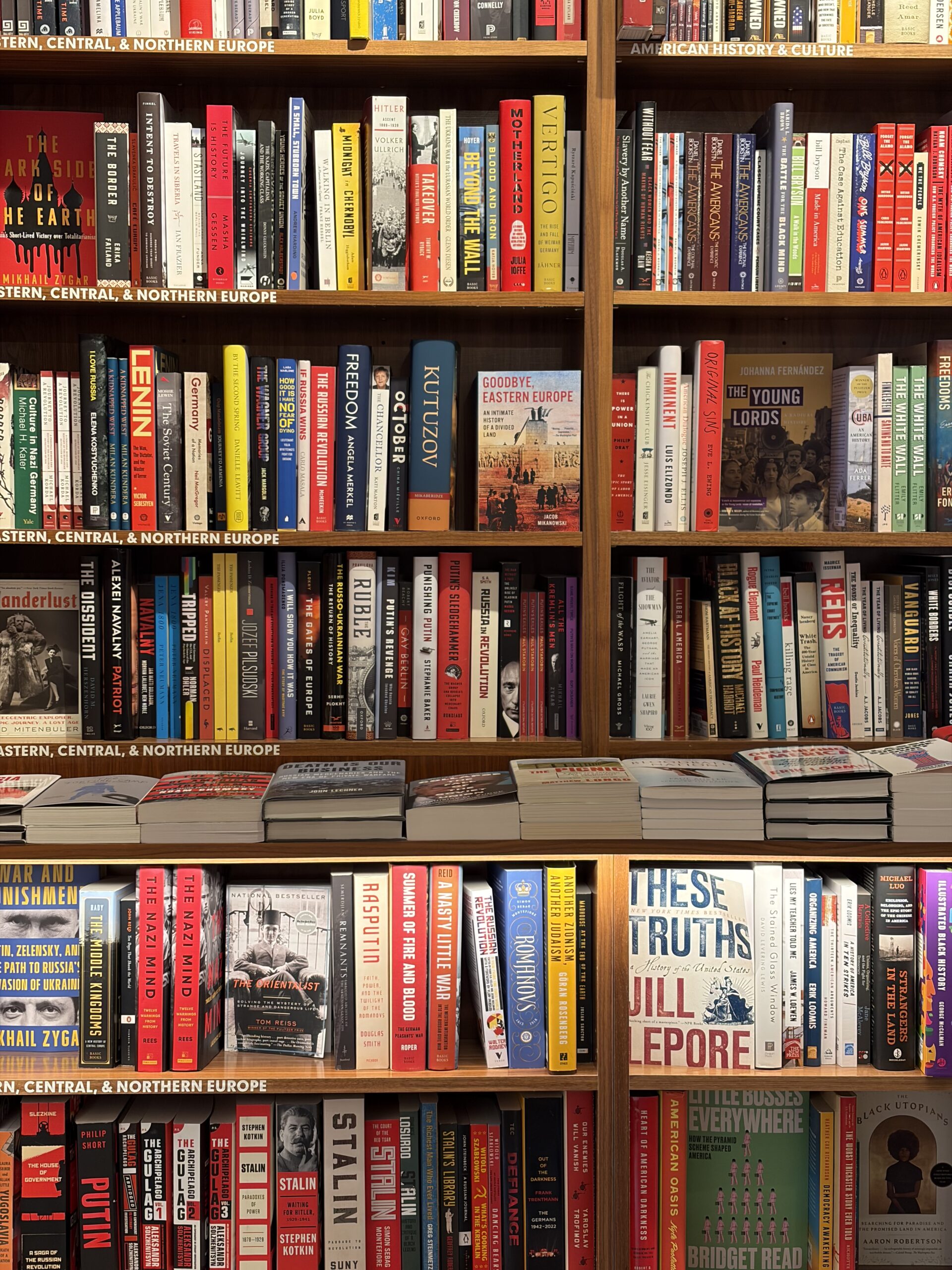
My Favorite Reads of 2024
2024 is over and I hit 100 books. The real number is probably around 98, but I sometimes include short fiction on my spreadsheet if it’s especially memorable and I don’t want to lose track of it, like A Good Man Is Hard to Find, The Roads Must Roll, Nightfall, or El Eclipse.
This isn’t a fully comprehensive list — that would take far too long — but here are my top 20 reads from 2024.
(more…) -
The E-Myth Revisited by Michael E. Gerber
The E-Myth Revisited by Michael Gerber challenges the assumption that technical skill alone makes a successful business owner. He explains how most small businesses fail because owners work in the business rather than on it, neglecting systems, strategy, and scalable processes. By emphasizing roles and workflows, he shows how entrepreneurs can create businesses that run efficiently and grow sustainably.
(more…) -
Popular Movies Inspired by Books
Many beloved films began as books, morphing the written word into a cinematic experience. While these movies have become cultural hits, the original books that inspired them can remain less recognized. In this post, we highlight some of the most popular films that owe their start to literature.
(more…) -
In the Shadow of Man by Jane Goodall
In the Shadow of Man is one of the most important works of the 20th century, yet it remains surprisingly untalked about outside of fields like wildlife biology, environmental science, or evolutionary studies.
In 1957, at age 26, Jane Goodall traveled by boat to study chimpanzees in the Tanzanian wild. At the time, women simply didn’t go on such journeys. As Jane herself said, “Even men weren’t doing that!”
Through countless hours in the field, Goodall discovered that chimpanzee societies are fluid, shaped by complex hierarchies and shifting alliances, and behavior often mirrors our own: greeting hugs, comforting touches, playful games, and hours of social interaction. She also documented meat-eating, challenging the prevailing belief that chimpanzees were strictly herbivores.
Most famously, Jane observed chimpanzees stripping leaves from twigs to fish for termites and crafting leaf “sponges” to drink water — marking the first documented examples of tool-making in wild animals. These discoveries forced scientists to reconsider what truly separated humans from other species. In a quiet irony, it was a woman who helped redefine what it meant to be “man.”
Her findings caused a worldwide sensation. As her mentor famously remarked, “Ah! We must now redefine man, redefine tools, or accept chimpanzees as human!”
Goodall’s style blends scientific observation with personal narrative. At times, it reads like a meticulous field journal, recording not only chimpanzees, but also baboons, snakes, and other wildlife in the Gombe ecosystem. At others, it becomes reflective, capturing moments of wonder as well as the challenges of living in remote Tanzania.
Jane Goodall passed away on October 1, 2025, at the age of 91. She continued with unwavering commitment to her mission until the very end, traveling up to 330 days a year. Though she held the title of United Nations Messenger of Peace, her dedication to conservation long predated any formal recognition. Goodall remains a remarkable figure whose legacy continues to inspire generations.
Another good read is The Book of Hope by Jane Goodall and Douglas Adams:
We have not inherited the Earth from our ancestors but borrowed it from our children. And yet we have not borrowed it from our children — we’ve stolen it. When you borrow something, the expectation is that you will repay. We have been stealing their future for countless years, and the magnitude of our theft has now reached absolutely unacceptable proportions.
If everyone starts to think about the consequences of what we do — what we buy, what young people ask their parents to buy — if we ask whether its production harmed the environment, hurt animals, or relied on child labor or unfair wages, and refuse to buy it, billions of these ethical choices will move us toward the kind of world we need.
-

Best Young Adult Book Series to Read
Young adult (YA) books have a unique power to captivate readers with characters and stories that grow alongside their audience. From magical worlds to realistic coming-of-age tales, these books explore identity, friendship, and adventure. Here are some of the best young adult series, perfect for a binge-reading teen.
(more…) -
Your Money Or Your Life by Vicki Robin
Your Money or Your Life by Vicki Robin presents a framework for evaluating the true cost of work and consumption in terms of life energy rather than just dollars. She encourages readers to track spending, reduce waste, and align expenses with values to create financial independence. Through mindset shifts, the book demonstrates how to reclaim time and purpose from a cycle of mindless earning and spending.
(more…) -
The 5 Types of Wealth by Sahil Bloom
The 5 Types of Wealth is another book I’ve recommended to multiple people — my dad now calls it one of his favorites. I read it right before The Art of Spending Money and The Quest for a Simple Life, and the timing felt perfect; together, they form an ideal trio for thinking about fulfillment and avoiding the default path.
Sahil Bloom graduated from Stanford and quickly built an impressive résumé, launching businesses, creating productivity content, and becoming a managing partner at an early-stage investment fund. Yet despite all that success, he found himself trapped in the same unsatisfying loop that ensnares so many people in America’s status-driven culture.
Bloom argues that modern society measures success using the wrong scoreboard, typically some combination of job title and income. He shows that optimizing for a single dimension of success often comes at the expense of other areas that matter just as much, creating a Pyrrhic victory: a win so costly it feels like a loss.
Instead of this narrow view, Bloom proposes an alternative scoreboard built around five forms of wealth. He explores each — Time, Social, Mental, Physical, and Financial — by outlining three core pillars, weaving together personal stories and research-backed insights, and concluding with practical tools. For example, here are some of the tools for cultivating Time Wealth (you’ll have to read the book for added description of each):
- Time Wealth Hard Reset
- Energy Calendar
- Two-List Exercise
- Eisenhower Matrix
- Index Card Method
- Parkinson’s Law
- Anti-Procrastination System
- Flow State Boot-Up Sequence
- Effective Delegation
- Art of No
- Energy Creators
- Time Blocking
- Creation
- Management
- Consumption
- Ideation
I think Bloom’s framework — a fundamental shift in how you think about what life is really about — is worth the price of the book on its own. Much of the book provides context for why the other areas matter, but at its core, it’s about adopting a new mindset: choosing a different “scoreboard” by which to measure your life.
I’m not a fan of overly detailed systems that work well for the author but rarely translate to most readers’ lives. Bloom does a great job offering tools without prescribing exactly how you should live — because it’s different for everyone! If you keep that central idea in mind, the book is valuable.
His writing is accessible and easy to follow. Each section is broken into short chapters, so you could read a chapter a night and finish the book in about a month. He keeps the advice actionable without being overwhelming, offering a variety of strategies you can try for yourself.
There’s also a companion Life Planner, a digital community, and a virtual workshop tied to The 5 Types of Wealth, all available on Bloom’s website.
-
Top 10 Agatha Christie Books (With Complete List)
Agatha Christie is the undisputed Queen of Mystery, with novels that span from classic whodunits to psychological suspense, earning her a lasting place in literary history. This list includes the top 10 Agatha Christie books, offering a guide to her most memorable mysteries.
(more…) -
How to Win Friends & Influence People by Dale Carnegie
How to Win Friends & Influence People by Dale Carnegie presents timeless principles for building relationships, improving communication, and influencing others positively. He emphasizes empathy, active listening, and sincere appreciation as tools for connecting with people and achieving goals. With real-world stories, the book shows how interpersonal skills can transform both personal and professional life.
(more…) -

Real-Life Locations from Game of Thrones
HBO’s Game of Thrones captivated millions with its epic storytelling and stunning visuals, earning record-breaking ratings and numerous awards. While CGI brought dragons and castles to life, many of the show’s landscapes are real places you can actually visit. In this post, we’ll take you on a journey to the real-world settings that helped make Game of Thrones so spectacular.
(more…) -
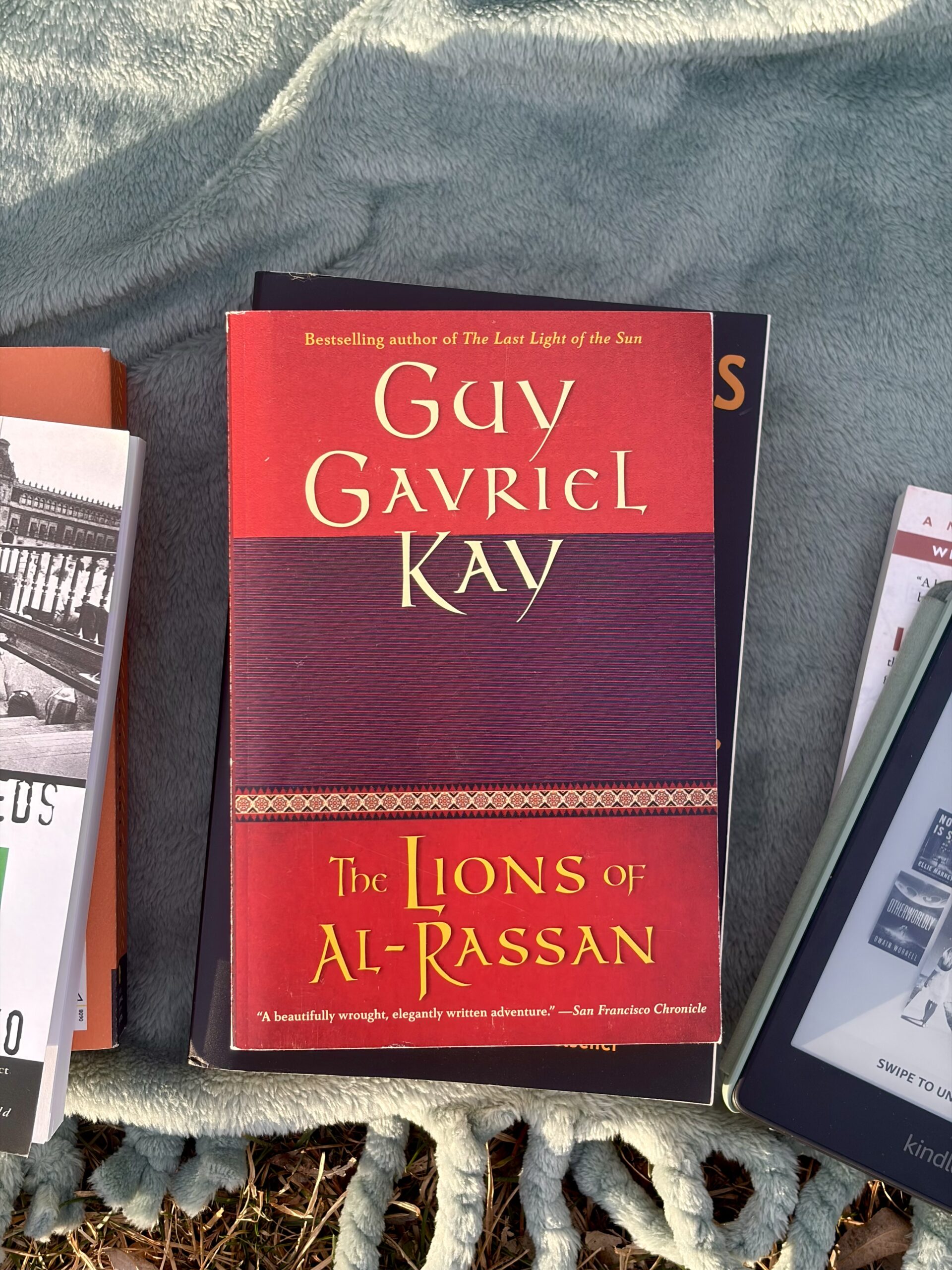
The Lions of Al-Rassan by Guy Gavriel Kay
I knew as soon as I started The Lions of Al-Rassan that I wanted to include it on Learning from Literature — there’s just too much to ignore. The cover appears a few times on the site, and I was reading it with our foster cat on my lap, so if you see that picture around, that’s why.
The story takes place in a fictionalized version of medieval Spain, home to three main religious groups. The Jaddites and Asharites are the largest, while the Kindath are a smaller, often oppressed minority with little land of their own. The region, called Al-Rassan, was formerly known as Esperaña before splitting into multiple kingdoms. Fifteen years before the main events, Ammar ibn Khairan assassinated the last Caliph of Esperaña — an event whose repercussions ripple through the story.
The novel follows three central characters whose lives intertwine amid the political and religious tension. Rodrigo Belmonte, known as the Lion of Valledo, is a famed soldier caught between duty and his personal code of honor. Jehane bet Ishak, a physician and scholar, navigates the difficult loyalties of her profession while witnessing the horrors of human conflict. And Ammar ibn Khairan, a poet and statesman, balances his love of culture and diplomacy with the violent realities of power. Their paths cross as the rival nations clash, cities are besieged, and personal relationships strained.
The Lions of Al-Rassan resists being put into a box. Some might call it historical fantasy, though Kay himself has spoken against the term and urged readers not to overanalyze — just enjoy the story. Shifting perspectives allow you to see a lot of the world, exploring different regions as well as the characters themselves.
The world-building strikes a great balance between immersive and concise. The cities feel lived-in, from bustling markets to shadowed palace corridors, and the societal tensions are very present. The interplay of the three cultures — Kindath (analogous to Jews), Asharites (Muslims), and Jaddites (Christians) — is fascinating. At the same time, the setting never overshadows the story; it always supports the plot rather than taking away from it.
Like Lonesome Dove, what truly elevates the novel are the characters. Rodrigo, Jehane, and Ammar are unforgettable. The moral ambiguity — where sometimes there are no clear “good guys” — can be challenging (we all want someone to blindly root for, like Darrow in Red Rising), but it makes the story more rewarding. They feel fully realized and human, not just symbols of a culture or ideology.
The writing leans poetic, especially in Ammar’s sections. Some passages linger on philosophy, but that’s part of developing multiple cultures and perspectives in limited page space. If you prefer nonstop drama, this might feel slower at times, but it mirrors real life and gives the world depth.
At about 500 pages, it’s a satisfying standalone — long enough to really get immersed, but not so long that it feels daunting like some 800-plus-page bricks. There’s a lot there to dig into, but it never feels overwhelming.
I really enjoyed The Lions of Al-Rassan. It sits nicely between a page-turner and something with more depth, with solid world-building, memorable characters, and an engaging plot. None of those things are groundbreaking on their own, but together they make the book really work.
-

Essential Nonfiction Books on Latin America
Latin America is home to some of the most powerful true stories in the world. Its rich history, vibrant cultures, and complex social landscapes have inspired countless works – from writers within the region and from outsiders trying to understand its depth.
This list highlights essential nonfiction books that inform, challenge, and broaden your understanding of the region. While many of these books deal with difficult topics, they reflect realities that continue to shape modern life.
My time with host families in Peru and Mexico, along with visiting Colombia and Puerto Rico, has made these stories feel even more meaningful.
(more…) -
Reasons Not to Worry by Brigid Delaney
Reasons Not to Worry by Brigid Delaney turns to Stoic philosophy to navigate fear, grief, and life’s uncertainties. She blends ancient wisdom with personal experience to show how focusing on what we can control brings perspective and calm. The book offers practical insights for living more intentionally amid modern challenges.
(more…) -
The Life of Jorge Luis Borges: Author Profile
Jorge Luis Borges, often called the “father of Latin American literature,” is one of the most influential writers of the 20th century. Though he never wrote a novel, his short stories, poems, and essays inspired generations of authors, including Gabriel García Márquez and Julio Cortázar. Despite losing his sight by age 55, Borges crafted a uniquely imaginative style that blends philosophy, fantasy, science fiction, and detective fiction.
(more…) -
The Things They Carried by Tim O’Brien
I first read The Things They Carried for a high school class, and it became one of my favorite required readings. Because my dad served in the Marines, I had been drawn to military-themed books from a young age but O’Brien strips away the romanticized image of war that many people hold, earning a Pulitzer Prize nomination along the way.
The novel opens in the jungles of Vietnam, introducing a platoon of American soldiers. Each character is described through the items they carry, from weapons and gear to personal mementos, giving insight into their personalities and what matters to them. The narrator, a fictionalized version of O’Brien himself, describes moments of fear, confusion, boredom, and occasional playfulness among the soldiers.
Rather than following a strict timeline, the novel jumps between missions, memories, and moments before and after the war. What slowly comes together is a picture of the heavy psychological weight soldiers carry, long after the physical war ends.
O’Brien also highlights how different the Vietnam War was from earlier conflicts like World War II, which many viewed as morally justified. In Vietnam, soldiers faced vague goals, brutal conditions, and widespread opposition to the war back home. Most were drafted teenagers — the average age was around 19 — sent halfway across the world into an unfamiliar jungle. Drug use and reckless behavior often became coping mechanisms for stress, fear, and monotony.
Ultimately, the “things they carry” aren’t just physical. They’re guilt, grief, shame, and memory. Many soldiers struggle with what they did — or didn’t do — and those experiences permanently alter their sense of innocence and identity.
The novel has a unique but intentional style. Its episodic, almost fragmented structure mirrors the disorientation of combat, showing how traumatic events can make you question your own memories. While some readers may struggle with its lack of a traditional narrative, the writing fits the theme. The chapters stand well on their own, almost short-story-like, so it’s not a long or difficult read.
I’ve reread The Things They Carried twice since that first assignment. Like All Quiet on the Western Front and Catch-22, it reminds readers that war isn’t just strategy or statistics. It’s human, and its consequences follow people long after the fighting stops.
-

Top Books by Cormac McCarthy
Cormac McCarthy is one of the most recognized writers in contemporary American literature, known for his spare style and exploration of human nature. Across bleak deserts, ruined roads, and fading border towns, his characters confront a world where mercy is rare and meaning is hard-won. Here are a few of the top books by Cormac McCarthy.
(more…) -
Vagabonding by Rolf Potts
Vagabonding by Rolf Potts presents long-term travel as a mindset rather than just a vacation, emphasizing freedom, curiosity, and simplicity. He shares strategies for financing and planning extended journeys while balancing life responsibilities. The book encourages readers to embrace uncertainty, experience new cultures, and redefine what it means to live fully.
(more…) -
Foundation: Full Series Review
This post provides a comprehensive look at Isaac Asimov’s Foundation series, exploring its structure, summarizing each novel, and reflecting on what makes his work a lasting cornerstone of science fiction.
Whether you’re new to the series or revisiting, this guide will help you navigate the worlds, characters, and philosophies that make Foundation timeless.
(more…) -
The Seldon Crises Explained
The Seldon Crises are the backbone of the entire Foundation series. They serve as checkpoints in Hari Seldon’s plan – a set of predicted turning points that the Foundation must navigate to shorten the upcoming dark age.
Each crisis reveals something about human behavior, political systems, and the limitations of prediction. Understanding these crises helps readers appreciate Asimov’s story.
(more…) -
Exploring the Themes of Foundation
Asimov’s Foundation series is a cornerstone of science fiction, offering far more than futuristic adventure – it’s a profound exploration of humanity, society, and power. Through the rise and fall of a galactic empire, Asimov investigates how civilizations evolve, adapt, and attempt to shape their destinies.
In this post, we’ll delve into the major themes of Foundation, from the cyclical nature of history to the tension between free will and determinism, and why they remain relevant today.
(more…) -
Foundation by Isaac Asimov
Foundation by Isaac Asimov is a science fiction novel published in 1951.
Purchase the book by clicking this link!
General Summary (No Spoilers!)
In the year 12,067 G.E., mathematician Hari Seldon developed psychohistory, a science through which one can statistically predict the future behavior of large groups. Through meticulous calculations, Seldon realizes the Galactic Empire is slowly decaying, destined to plunge humanity into 30,000 years of Dark Ages. However, Seldon offers a glimmer of hope; by formulating what would later be known as “Seldon’s Plan,” he identifies a series of strategic steps that, if followed, could shorten the impending chaos to just 1,000 years.
When Seldon voices his unsettling revelation about the Empire’s demise, the ruling powers banish him to the remote world of Terminus. Undeterred, Seldon and his loyal followers established the Foundation, the best of humanity attempting to navigate the disorder and safeguard the wisdom of psychohistory after the collapse of the Galactic Empire.
The rest of the novel follows the events on Terminus and throughout the Galactic Empire as humanity struggles to survive, unknowingly under the subtle influence of psychohistory’s hidden hand.
(more…) -
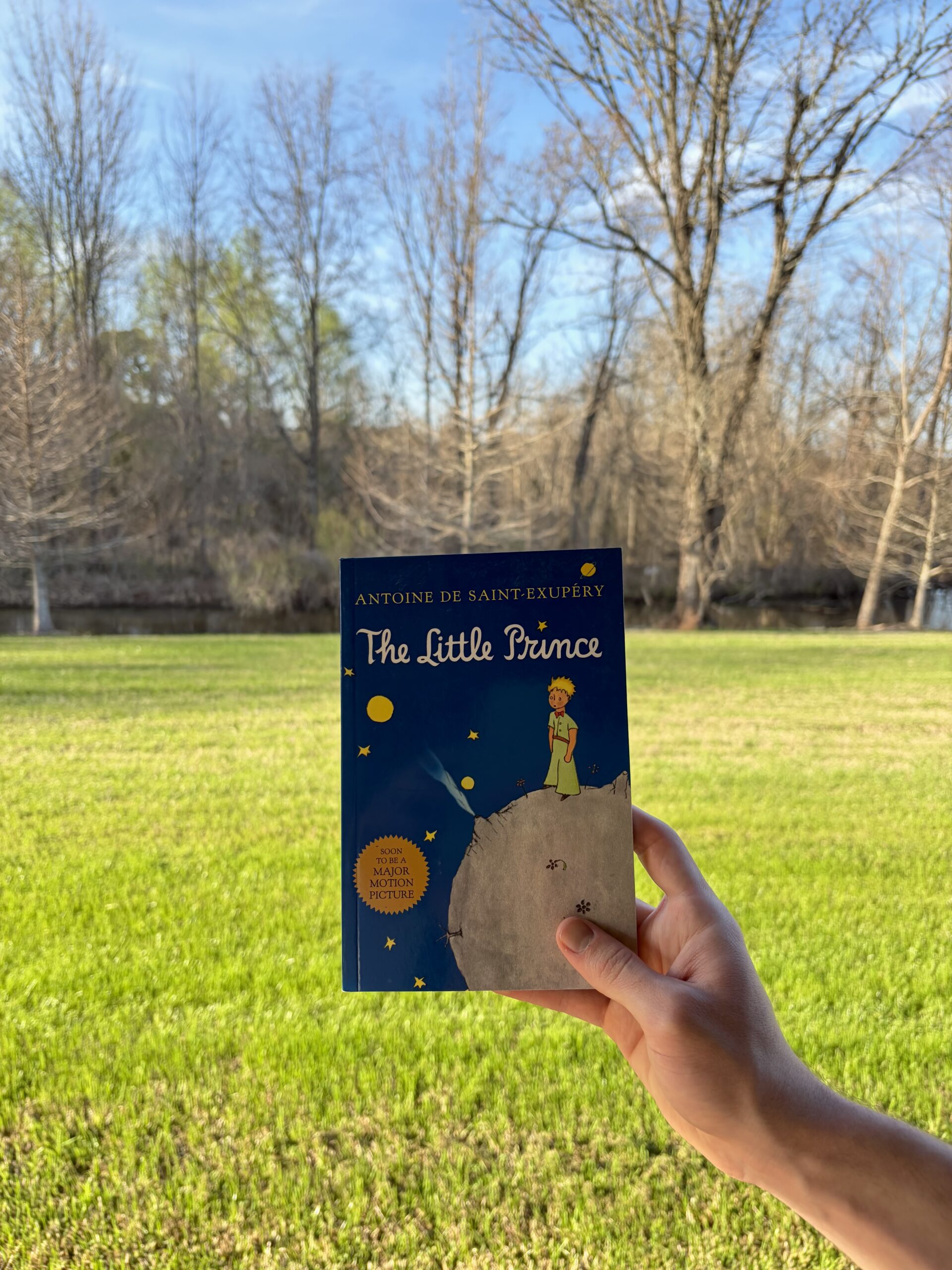
The Little Prince by Antoine de Saint-Exupéry
What can I say about The Little Prince that hasn’t already been said? It’s one of the best-selling books in history, with an estimated 200 million copies sold. It’s been translated into over 500 languages and dialects, making it one of the most translated books ever. It’s required reading in schools from France and Argentina to Mexico and the United States. The Little Prince himself appears on postal stamps, coins, and has his own museum in Japan. Quotes, like “One sees clearly only with the heart,” are among the most cited lines in all of literature.
I read The Little Prince for the first time a few years ago; I had packed it for a trip, but ended up finishing it that night before I even left (whoops). Since then, I’ve recommended it multiple times and reread it before writing this review.
The unnamed narrator begins by reflecting on the perplexing nature of adults and their seeming inability to recognize what truly matters. To test them, he shows a drawing of a boa constrictor swallowing an elephant, but adults always mistake it for a hat. Frustrated, he knows to limit his conversations with them to “reasonable” topics like the stock market and the weather.
Years later, the narrator, now a pilot, crashes in the Sahara Desert. While working to repair his plane, a golden-haired boy appears and introduces himself as the “little prince,” a traveler from another world seeking wisdom. The narrator decides to share his drawing, and the little prince is the first to interpret it correctly. The story unfolds over the next eight days, as the narrator slowly runs out of water and the prince recounts his travels.
Despite being a short and simple read — my copy is 84 pages — The Little Prince is deep. The prince has visited six other planets, each inhabited by a single, narrow-minded adult. Saint-Exupéry uses these characters to critique common societal flaws, from materialism to vanity. People from Picasso to Bezos have spoken about the value of a childlike imagination, and this book reminds us of that.
During my reread, it felt a bit more childish than I remembered — no surprise, since it is a children’s book — but I still really enjoyed it. It’s a simple but engaging story with timeless themes, similar in feel to The Alchemist by Paulo Coelho. I think it would be a great book to read with kids, since both the adults and children could get something out of it. On your own, it’s a read that most people could finish in two hours-ish, not a huge commitment so definitely worth giving it a shot.
A fun fact: much of Saint-Exupéry’s writing closely resembles his own life. In the 1930s, he survived a solo plane crash in the Sahara Desert. Stranded for days, he walked miles in the heat while hallucinating before being rescued by a passing Bedouin. Tragically, in 1944, Saint-Exupéry disappeared during a WWII reconnaissance flight over Europe, and his wrecked plane wasn’t discovered until more than 60 years later.
-
Best Short Stories by Jorge Luis Borges
Jorge Luis Borges redefined short fiction, blending philosophy, imagination, and storytelling (read about his life here). His stories explore infinity, labyrinths, identity, and the boundaries between reality and fiction. This list highlights some of his best short stories, offering a glimpse into the mind of one of literature’s most inventive and influential authors.
(more…) -
The Slight Edge by Jeff Olson
The Slight Edge by Jeff Olson shows how small, consistent daily actions can compound over time to produce significant success or failure. He emphasizes the power of simple disciplines, positive habits, and incremental improvements in shaping long-term results. The book illustrates that success is less about dramatic breakthroughs and more about steady, mindful progress.
(more…) -
The Poisonwood Bible by Barbara Kingsolver
I’ve recommended The Poisonwood Bible to multiple people. It explores a variety of themes, both personal and political, that remain relevant today and likely always will because they’re rooted in human nature.
The novel opens with the Price family setting off for the African Congo, planning to spread Christianity. Upon arrival, they quickly confront the reality of the harsh environment, which clashes with their prior expectations. Nathan, a devout and zealous evangelical, is determined to convert the locals, but his rigid beliefs and cultural ignorance create tension with the villagers. Meanwhile, Orleanna begins to question their mission and the toll it’s taking on her family. As political unrest escalates, the family faces both internal and external struggles, and each daughter embarks on her own journey of personal growth while navigating the new environment.
The Poisonwood Bible is grounded in accurate historical context. In the late 1800s, King Leopold II of Belgium enslaved the local population to extract rubber and ivory. The country gained independence in 1960, but fearing the spread of communism, the United States supported an assassination of the prime minister and helped install a dictator, who appears in the novel. It’s into this complex environment that the Price family enters.
Kingsolver uses the family to explore themes like freedom, imperialism, and religion. Many characters — both the Price women and the Congolese people — have limitations that prevent growth imposed on them by controlling, tyrannical entities. The family’s struggles highlight the inherent arrogance in assuming we know what others need, evident from the first pages when carefully packed supplies prove useless in their new environment.
Kingsolver’s writing is known for its rich, descriptive language, blending stories with social commentary. Her prose can be dense but it gives a thoughtful, reflective feel which matches the type of story she normally writes. Over 540 pages, The Poisonwood Bible is long enough to dive into the family’s experiences with plenty of space for Kingsolver to fill the story with vivid imagery of the Congo. I would not call it an “easy” read — between the length, the depth, and her sometimes complex language, it demands your attention — but it’s rewarding.
I really enjoyed The Poisonwood Bible and would rank it among my favorite historical fiction reads. I’m excited to explore more of Kingsolver’s work; I have Demon Copperhead on my shelf and am waiting for the right time to read it.
-
Best Short Stories by Juan Rulfo
Juan Rulfo is a cornerstone of Latin American literature, despite the fact his body of work is comparatively small. His stories – set in the dry, forgotten towns of rural Mexico – explore themes of death, memory, and violence. In this list, we’ll take a look at the short stories from Rulfo’s El llano en llamas.
(more…) -
Smart Couples Finish Rich by David Bach
Smart Couples Finish Rich by David Bach guides couples through aligning their financial goals, values, and habits to build wealth together. He emphasizes communication, shared vision, and practical strategies like automatic saving and debt management as foundations for financial harmony. By combining mindset shifts with actionable steps, he shows how couples can turn money from a source of stress into a tool for shared dreams.
(more…) -
The Moon Is A Harsh Mistress by Robert A. Heinlein
I’ve always been a fan of sci-fi so I had to read the OG, Robert Heinlein. I’ve also read Starship Troopers and A Stranger in a Strange Land, both of which I enjoyed, but this is my favorite out of the three. The novel won the Hugo Award, the most prestigious honor in science fiction, and was nominated for the Nebula Award.
In 2075, the Moon (called Luna) serves as a penal colony for Earth, home to three million former criminals, political exiles, and their descendants. The population is skewed male, with roughly two men for every woman. The Moon’s low gravity causes permanent physical changes, making a return to Earth impossible. Earth’s main role is to ensure vital wheat shipments are delivered on time, without sufficient compensation to the workers.
Mannie, a computer technician, discovers that the Lunar Authority’s master computer is self-aware and has named itself “Mike.” Together, they uncover the extent of Earth’s resource exploitation and the serious consequences if things don’t change. As injustices grow, the stage is set for a revolt against oppressive rule.
I love the world-building in The Moon is a Harsh Mistress. Luna is largely anarchist, highly decentralized, and self-regulated. Heinlein crafted a distinct culture for its inhabitants, even creating a new dialect to reflect the colonists’ diverse origins. He builds on the fictionalized history of Luna as a penal colony, giving the society a gritty, lived-in feel.
The culture is fiercely individualistic and self-reliant, shaped by the harsh environment. Social order comes not from formal laws, but through reputation, mutual agreements, and informal contracts. Yet despite minimal governance, the society fosters a strong sense of community and shared values.
The new Luna allows Heinlein to explore big themes like freedom, law, and reliance on technology. He poses a powerful question: what is true freedom? Can we really claim liberty if the government dictates how much of our income we must give in taxes? Are we free if we cannot marry whom we choose? Heinlein contrasts rules — explicit guidelines set by authority — with order, which emerges organically from collective actions. Luna has almost no formal rules, yet maintains strict order through cultural norms.
Like Do Androids Dream of Electric Sheep?, this book very much feels like a product of its time. The characters are enjoyable, but the writing leans more toward ideas and concepts than many modern novels, which tend to prioritize deep emotional attachment. In some ways, it reminds me of video games; in a world full of competing distractions, stories nowadays need a strong emotional hook to keep us engaged. Even so, The Moon is a Harsh Mistress is inventive and a book I still find myself thinking about regularly.
I really enjoyed the societal dynamics of the lunar colony. It’s fascinating to watch how a group of people, isolated in a new environment for an extended period, gradually develop their own culture, values, and belief system. It’s similar to what happened between Britain and its American colonies — and both stories ultimately ended in revolution.
Definitely give it a read if you enjoy sci-fi that explores political and systemic ideas, like The Dispossessed or Brave New World. Science fiction can be one of the best mirrors to our own world; it explores the same issues, but because it’s set in a made-up universe, people are less likely to let biases get in the way.
-
The Anxious Generation by Jonathan Haidt
The Anxious Generation by Jonathan Haidt examines the sharp rise in adolescent anxiety and depression over the past decade. He links these trends to changes in childhood, including less unstructured play and increased screen time. The book explores how cultural and technological shifts have reshaped the mental health and resilience of today’s youth.
(more…) -
The Nickel Boys by Colson Whitehead
We read The Nickel Boys in high school, less than a year after it was released. Whitehead was already a well-known author after his widely-acclaimed The Underground Railroad but he followed it up nicely: The Nickel Boys won the Pulitzer Prize, arguably the most prestigious award in American literature.
The novel opens with news reporting the horrors of the Nickel Academy in Florida. Elwood Curtis, now an African-American business owner in New York City, is forced to confront his traumatic memories from the institution.
The story jumps back five decades, revealing Elwood’s past as a dedicated high school student inspired by Martin Luther King Jr. and the Civil Rights movement. Despite earning a spot at university, his aspirations are destroyed when he is unjustly convicted of a crime and sent to the Nickel Academy, a juvenile reformatory in Florida. There, Elwood faces a reality far from his idealistic visions: inadequate education, forced labor, beatings, and terrifying trips “out back,” where some boys never return.
Sadly, The Nickel Boys is based on a true story. The Dozier School for Boys was established in 1900 as a state-run institution and became the largest juvenile reform facility in the U.S.. Reports of abuse surfaced, but despite numerous “investigations,” the school continued to disproportionately target Black youths with severe beatings, whippings, and unexplained disappearances. The institution wasn’t closed until 2011. A year later, forensic examinations uncovered unmarked graves on the grounds, revealing over 100 deaths concealed by authorities. Widespread calls for justice followed, though the state of Florida refused to exhume the graves until a court injunction forced action.
The Nickel Boys is a perfect example of why I think fiction can teach more than nonfiction. You become emotionally invested in the characters, whereas nonfiction rarely draws you in the same way; it might make you aware of an issue, but living the experience hits differently. Historical fiction is unique; the real-world settings help readers easily connect the themes to reality.
Whitehead highlights the lasting impact of a deeply racist past in America, showing that even after laws condemning such, pervasive racism continues more than a century after slavery was abolished. Why was The Dozier School for Boys not closed until 2011 and why did the state of Florida resist further investigation?
Elwood embraces Martin Luther King Jr.’s message of standing up for your rights, showing that it’s possible to maintain self-worth even in the face of extreme adversity. The abuse of power and corruption of authorities lies in stark contrast, highlighting the consequences when those in positions of power betray their responsibilities.
In terms of style, The Nickel Boys is far more accessible and engaging than many books typically found on school reading lists. Take Heart of Darkness, for example — it has highly relevant themes, but being published over 125 years ago in a very different cultural context makes it harder to relate. Whitehead’s setting in contemporary America, along with his clear, modern style, makes the story much easier to connect with.
I’d definitely recommend this book to anyone who enjoys historical or contemporary fiction with strong social justice themes. Just be prepared to feel a lot of emotions during and after reading — some of the truths it confronts are still denied today.
-
Ten Years A Nomad by Matt Kepnes
Ten Years a Nomad by Nomadic Matt recounts a decade of full-time travel, sharing the challenges, discoveries, and personal growth that come with living as a nomad. He reflects on adapting to new cultures, building relationships on the road, and finding freedom outside conventional routines. The book combines travel tips with insights on what it means to live intentionally and independently.
(more…) -
The 7 ½ Deaths of Evelyn Hardcastle by Stuart Turton
Fun fact: I’ve read more Agatha Christie than any other author, so I’m always down for a good mystery — and The 7 ½ Deaths of Evelyn Hardcastle delivers with a unique twist.
The story begins with a man waking up in a forest with no memory, only calling out for someone named Anna. He eventually makes his way to Blackheath Manor, where he’s told he is Dr. Sebastian Bell, a guest at a grand party hosted by the Hardcastle family. After falling asleep that night, he wakes — but in the body of the butler!
He soon learns his real identity is Aiden Bishop, and that he has eight days to inhabit eight different guests at the party to solve the murder of Evelyn Hardcastle, which occurs at 11 p.m. each night. He cannot leave the manor until he identifies the killer, and failure means starting over — waking again as Sebastian Bell with no memory of previous attempts. Each new body offers a fresh perspective, but the clock is always ticking and the stakes turn deadly.
Very loosely defined, the book is technically science fiction, but it’s definitely more of a mystery thriller. The mechanics behind the time loop and body-swapping aren’t revealed until the end, which keeps the focus on the mystery rather than the “how”.
Turton handles the puzzle-like structure well. The clues are never obvious (I didn’t figure it out) but always fair, creating that tension between keeping readers engaged and slowly revealing the solution — like luring a dog with treats. You might be confused right at first, since we experience Aiden’s disorientation alongside him, but this adds to the immersive experience. The first-person perspective makes the plot feel more action-driven than the classic Agatha Christie novels I mentioned earlier.
It’s a standalone read at nearly 500 pages — long enough to feel substantial, but I don’t think the length should scare anyone off. One supporting character occasionally feels a bit like a deus ex machina, but the rules of the world still force Aiden to do the real work.
Nothing here is going to change the world, but it’s an inventive, fun adventure for fans of the genre. I’m a sucker for these types of stories.
-
Retire Before Mom And Dad by Rob Berger
Retire Before Mom and Dad by Rob Berger shows how financial independence is driven more by simple habits – like saving early and avoiding lifestyle creep – than by high income or complex strategies. He breaks down the math behind compounding and demonstrates how small, consistent decisions can dramatically accelerate the path to freedom. With clear explanations, he makes early retirement feel attainable for ordinary people willing to act.
(more…) -
Polyglot by Kató Lomb
Kató Lomb, born in Hungary in 1909, was one of the first recorded simultaneous interpreters. Her book is part memoir, part advice on language learning. In college, I took Introduction to Translation and Interpretation, and trying to put those ideas into practice really showed me how challenging it is — it’s not as simple as “I speak language A and language B.” And that’s with all the modern technology and theory we have today, let alone what Lomb had to work with when she started her work in the 1930s and ‘40s.
Lomb grew up in a turbulent period of Hungarian history, coming of age during the Nazi occupation and later as part of the Soviet Union’s “Iron Curtain.” The post-World War II era marked an unprecedented expansion of large-scale cultural interaction, made possible by modern transportation, communication technology, and diplomacy. There had been exchanges since colonization a few centuries earlier, but it was mostly limited to traders, colonists, and clergy due to logistical difficulty.
Deeply fascinated by language and human communication, Lomb bought a used Russian dictionary and began studying, disguising it with a different cover because it was dangerous in a country that was becoming more and more fascist. She would sit in shelters, reading under the dim light while Russian bombs fell overhead.
When the war ended, Lomb’s skills put her in a unique position, precisely because others had avoided everything Russian;
City Hall was liberated on February 5, 1945. I presented myself that day as a Russian interpreter. They lost no time in hiring me and I received my first assignment right away: I had to call the city commander and tell him who the mayor was. When I asked for the phone number of the commander’s headquarters, they just shrugged and told me to pick up the receiver; HQ would be at the other end. There was but one live phone line in Budapest on February 5, 1945.
The book mixes in her language-learning advice with other amusing stories, like being the official interpreter to a state dinner receiving the very first Japanese envoy — a delicate situation, given Hungary’s shifting political alignment — and how she navigated that potential minefield with professionalism.
Overall, I enjoyed the book more for Lomb’s stories and her unique experiences as one of the only people at the time doing what she did, rather than the practical advice. It could be useful for someone new to language-learning theory, but much of her strategies seem outdated, relying heavily on reading and translation rather than the communicative, immersive approaches common today.
If you’re interested in how people bridged cultures and what it meant to be a polyglot before the modern world, Polyglot is an interesting read. The book is available as a PDF here.
-
Exploring the Themes of Dune
Dune is one of those classics that feels endlessly relevant, no matter how many decades pass. Herbert’s masterpiece stands apart in science fiction by focusing less on advanced technology and more on the forces that shape civilizations. Through politics, religion, economics, and ecology, Herbert examines power, survival, and morality. In this post, I’m breaking down some of the core ideas Herbert plays with and how they connect to our own world.
(more…)